
Underrated & Underplanted Native Trees
Underrated & Underplanted Native Trees
Bringing life back to the Illinois landscape
Oh, have we got a hot topic for you— Native Trees! Natives are often discussed in the green industry; however, they are a rare topic among customers looking to plant a tree in their yard. So, homeowners, this post is for YOU!
First and foremost, what is a native tree?
Definition of Native Trees
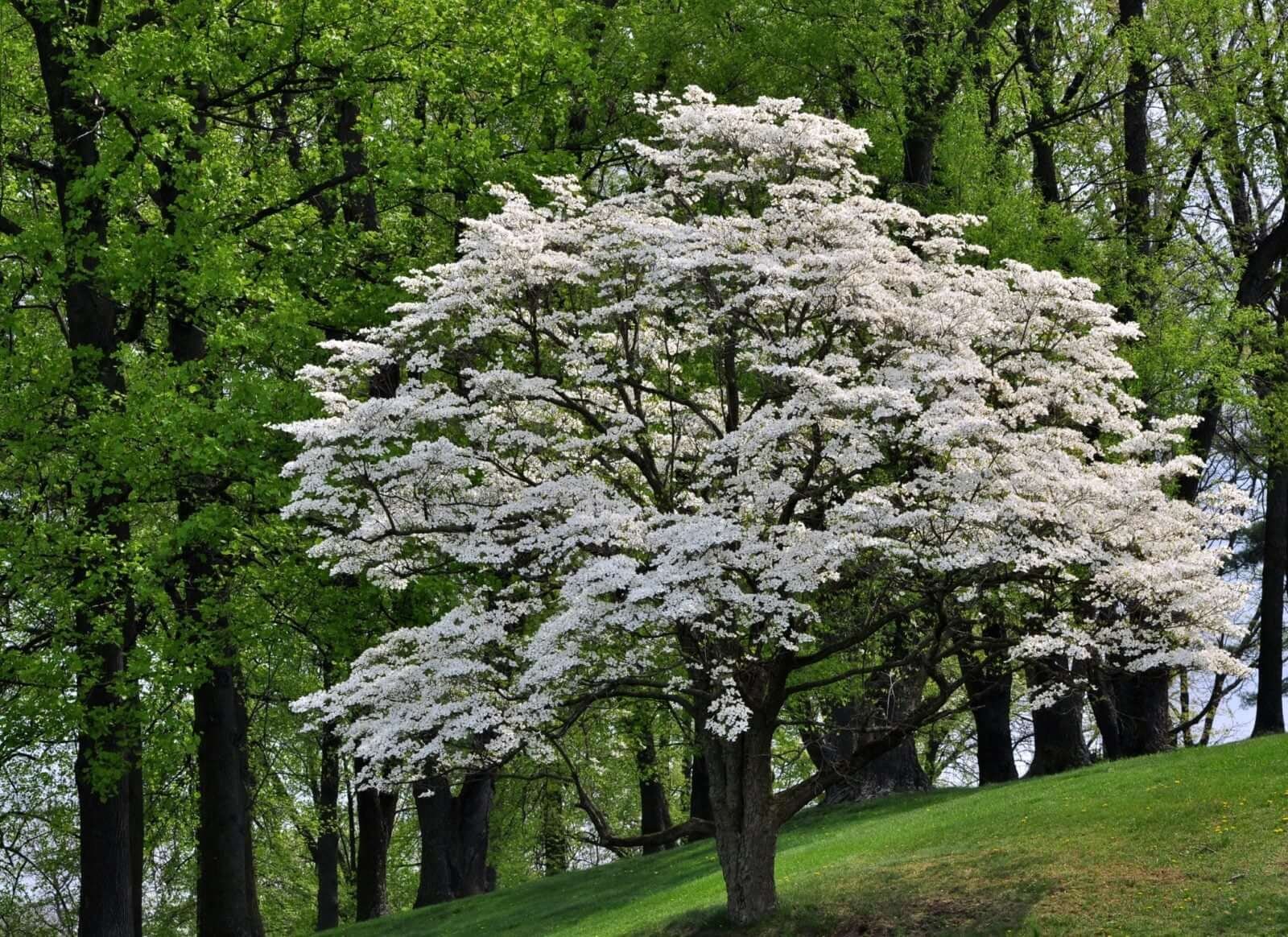
Native trees occur naturally in a particular region, ecosystem, or habitat. They have evolved over thousands of years to be part of the local environment. In Illinois, native trees support local wildlife and contribute positively to the ecosystem.
Simply put, native means it’s from here, and it’s supposed to be here. Native trees are found naturally in Illinois and support local ecology in small and BIG ways. When planted, they help boost wildlife ecology and do some pretty important things for the environment. They provide shelter for wildlife, supply food for animals and humans alike, and are crucial for attracting pollinators such as birds, bees, and butterflies.
Native trees hold great value not only for your home landscape but to your local neighborhoods and communities.
Native Ornamental & Flowering Options
Planting a native ornamental tree in the landscape offers numerous benefits that enhance both the aesthetic and ecological value of your garden.
Eastern Redbud
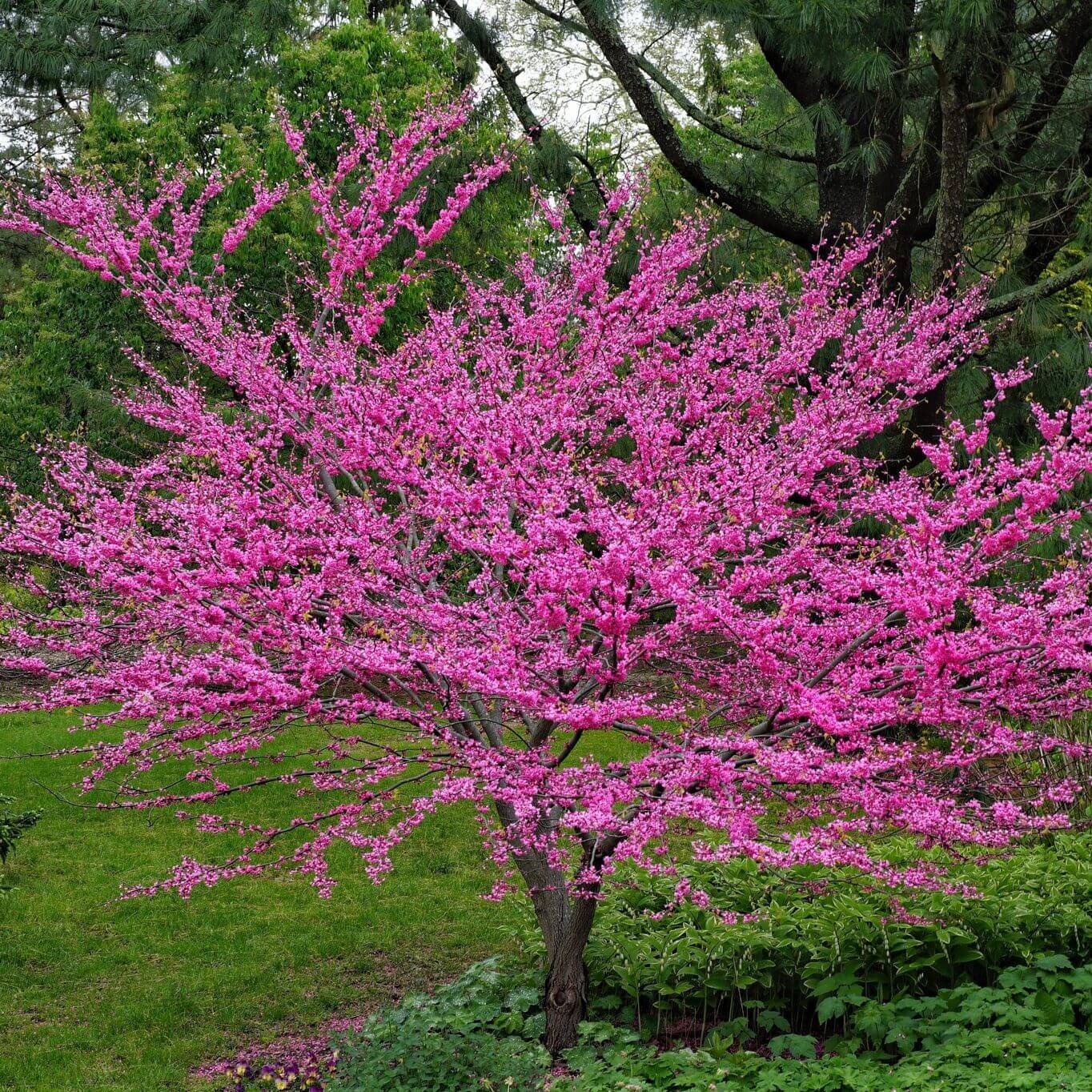
This tree, native to parts of the eastern United States, including Illinois, is celebrated for its stunning pink flowers that bloom in early spring. Its ornamental appeal makes it a popular choice for landscape use.
River Birch
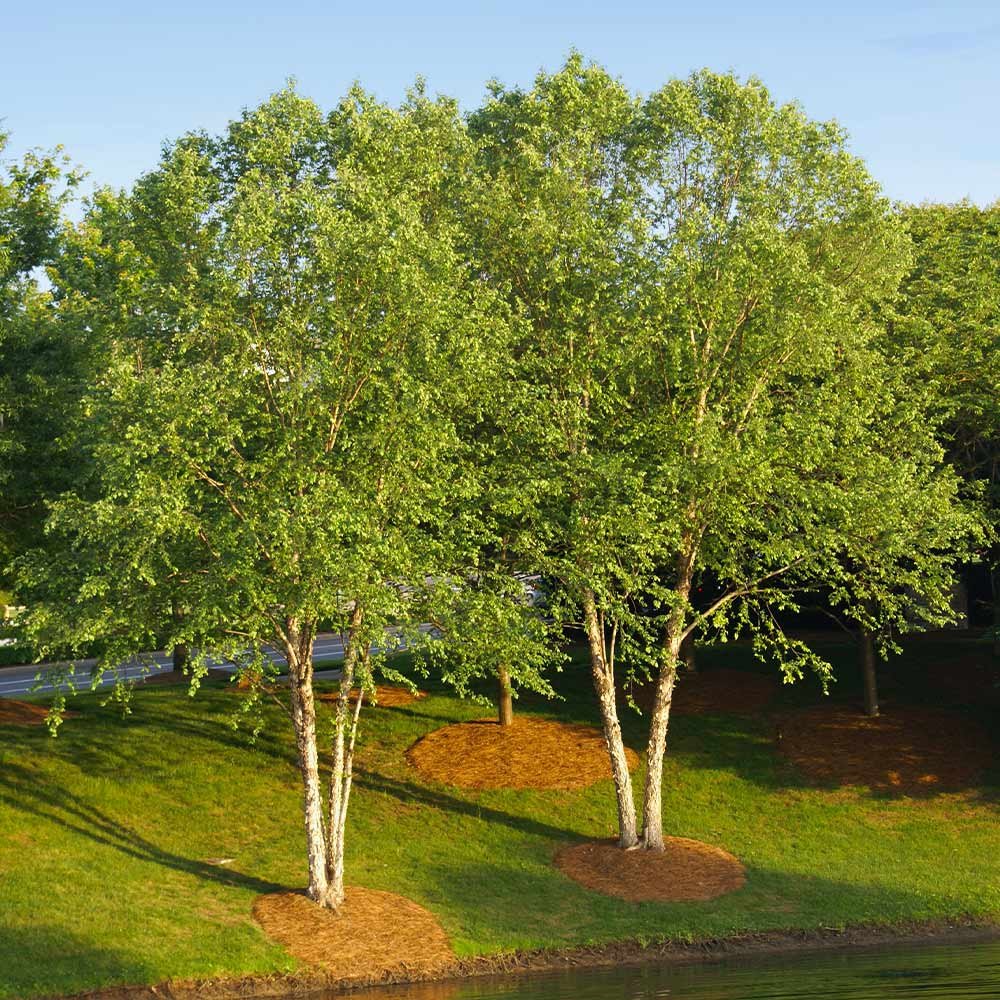
River Birch, with its natural habitat along riverbanks, is a versatile tree widely used in landscape design. Its distinctive, peeling bark provides year-round visual interest.
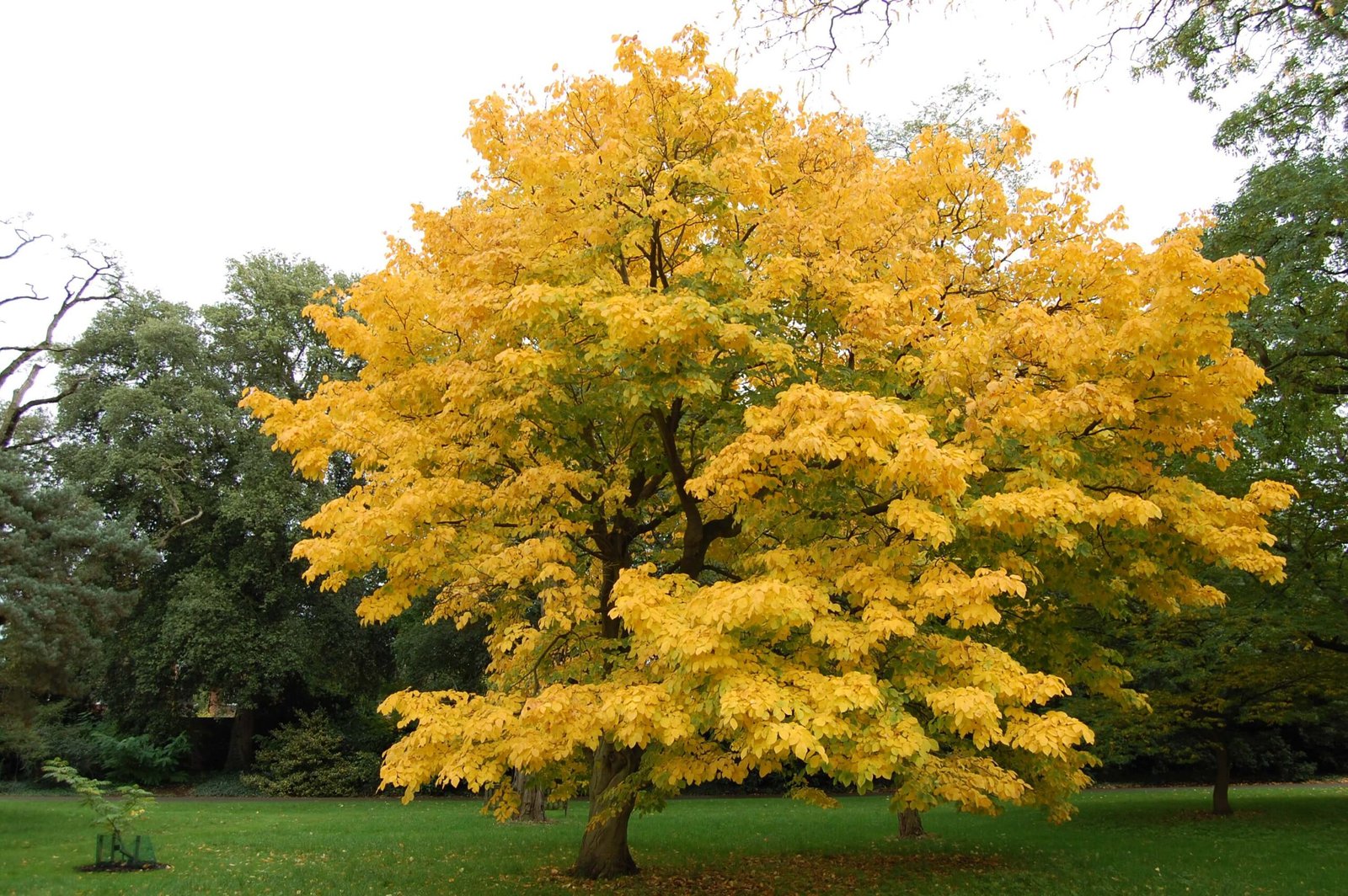
American Yellowwood
Native to the southeastern United States, American Yellowwood is highly valued for its fragrant, white flowers that fill the air with a delightful aroma.
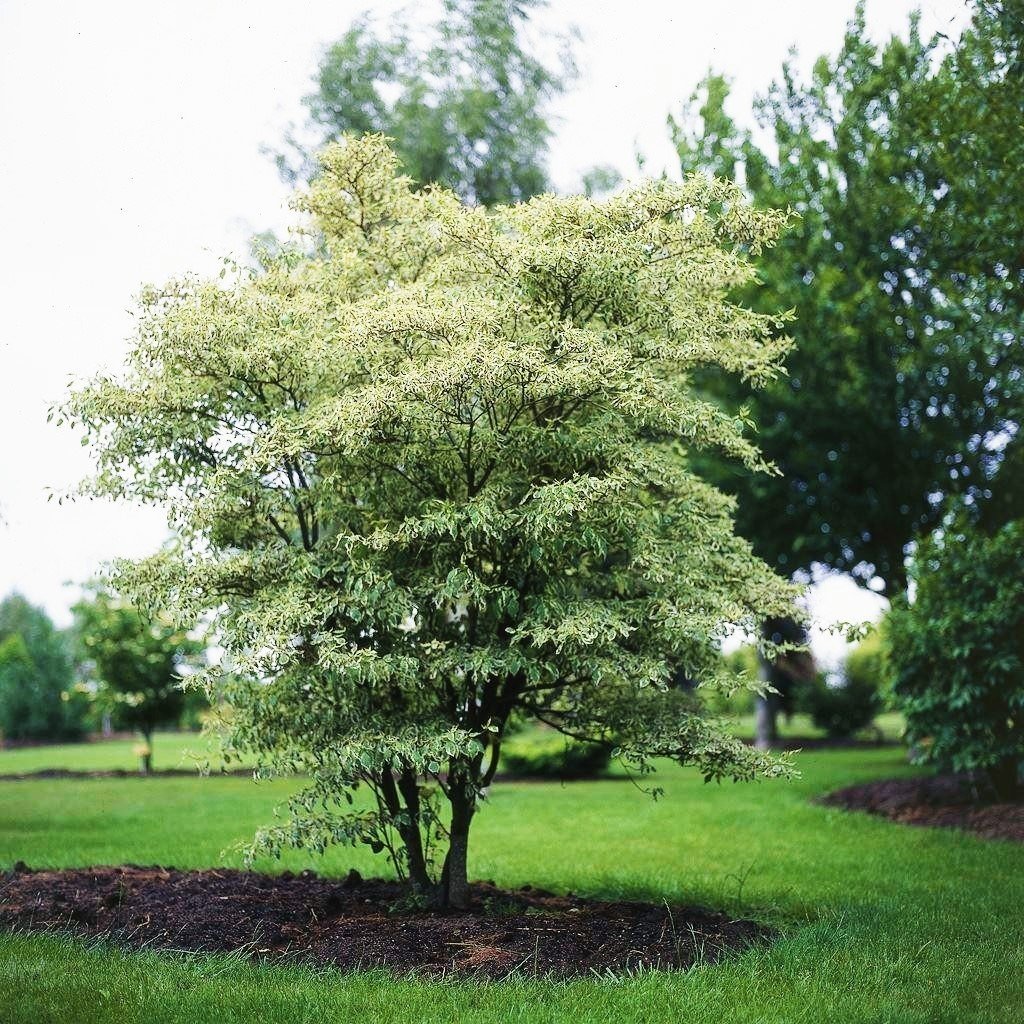
Pagoda Dogwood
Native to the northern U.S., including Illinois, this tree features horizontal branching and attractive flowers, adding a unique architectural element to gardens.
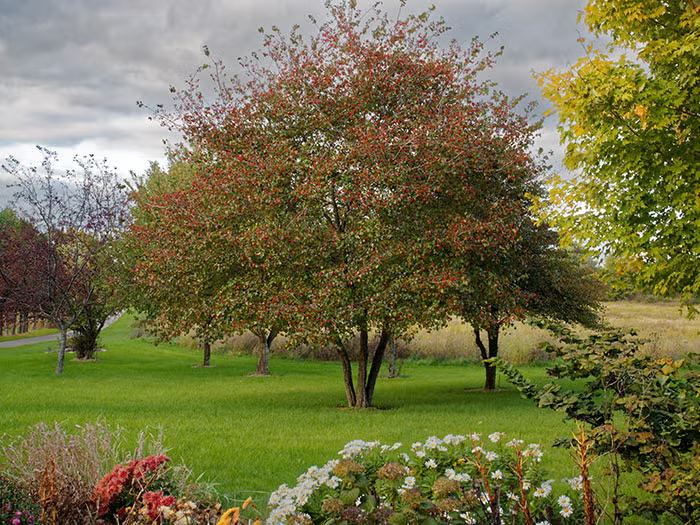
Washington Hawthorn
Native to the eastern U.S., including parts of Illinois, it boasts clusters of delicate white flowers in spring and vibrant red berries in the fall.
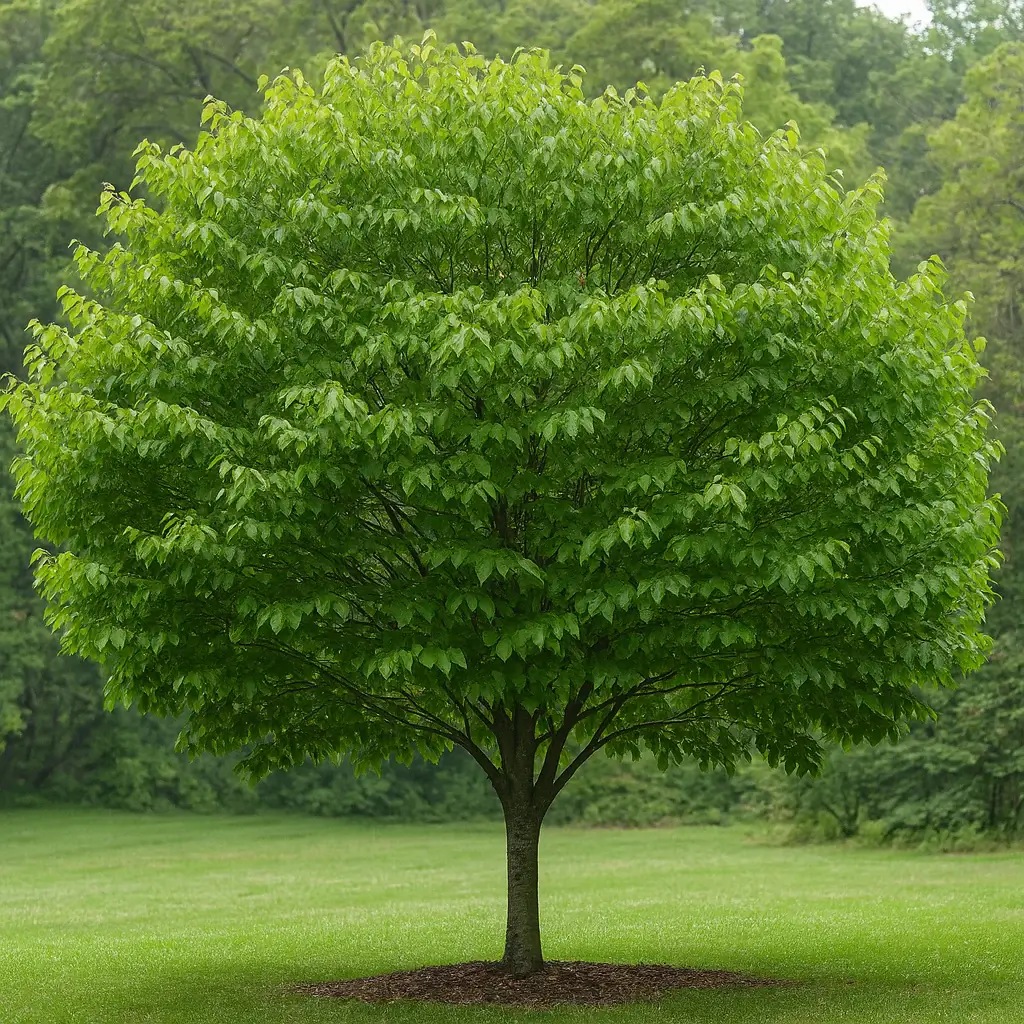
American Hornbeam
Found in the eastern United States, including Illinois, this small but mighty tree is loved for its flaming hot fall color and compact size.
Native Shade Trees
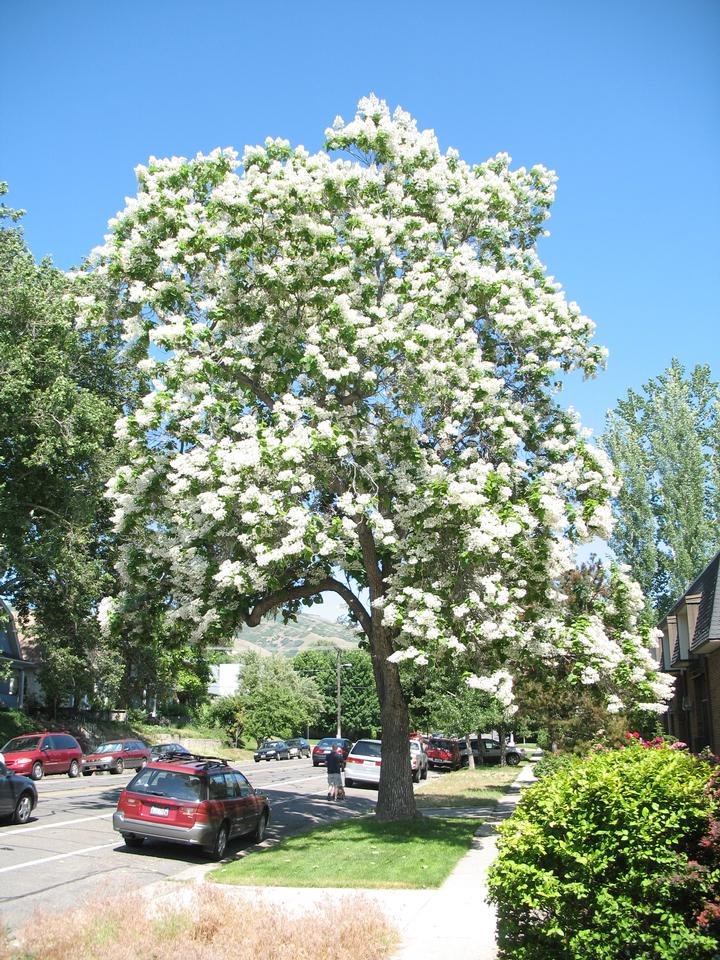
Northern Catalpa
Native to the central U.S., including Illinois, it is celebrated for its striking HUGE heart-shaped leaves and late spring flowers.
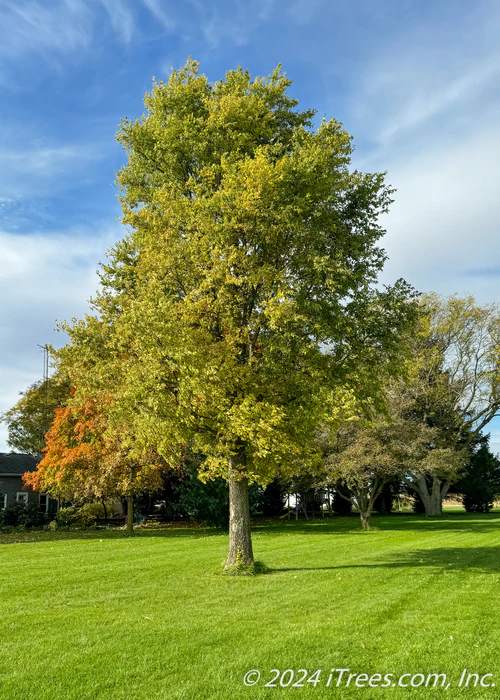
Native Hackberry
Native to Illinois, this beauty enhances landscapes with its tough-as-nails adaptability and resilience in diverse soil conditions.
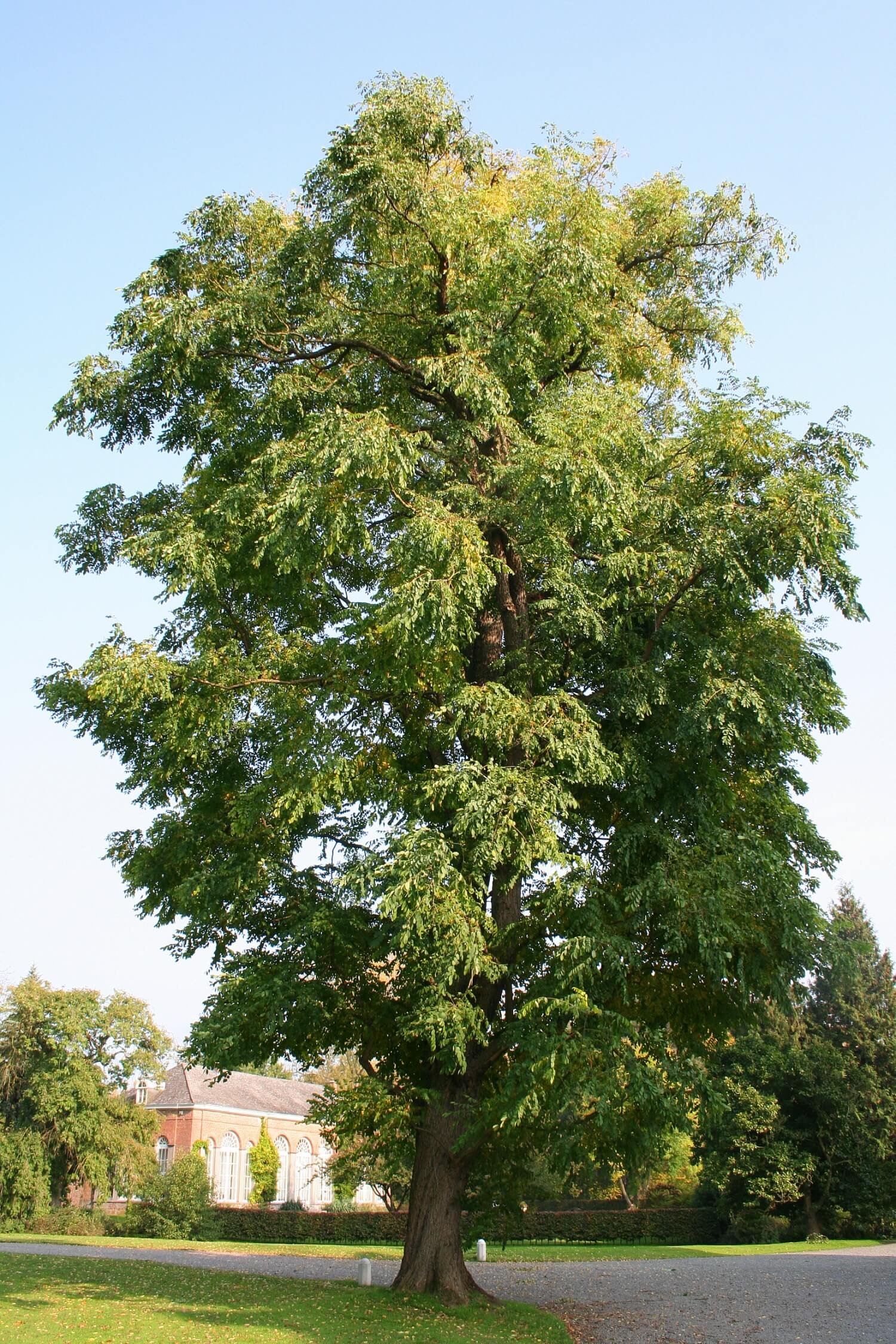
Kentucky Coffee Tree
Native to the Midwest, including Illinois. Its tropical appearance is characterized by lush foliage and rough bark, adding intrigue to any park.
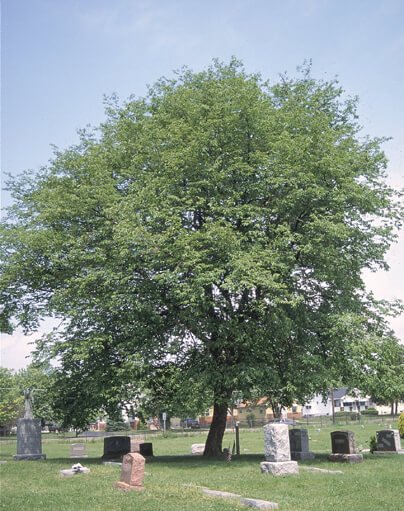
American Hophornbeam
Native to the eastern United States. Valued for its hardwood and ornamental appeal, featuring delicate, birch-like leaves.
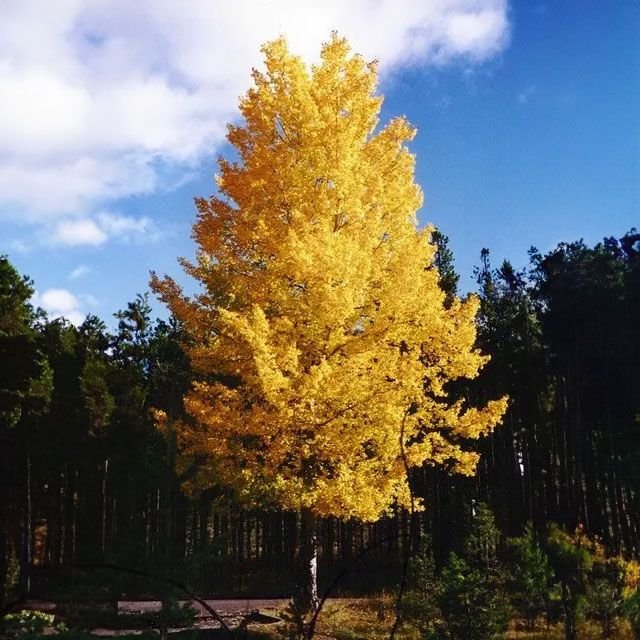
Quaking Aspen
Known for its trembling leaves and chalky white bark. In the fall, its yellow-gold foliage transforms the tree into a breathtaking spectacle.
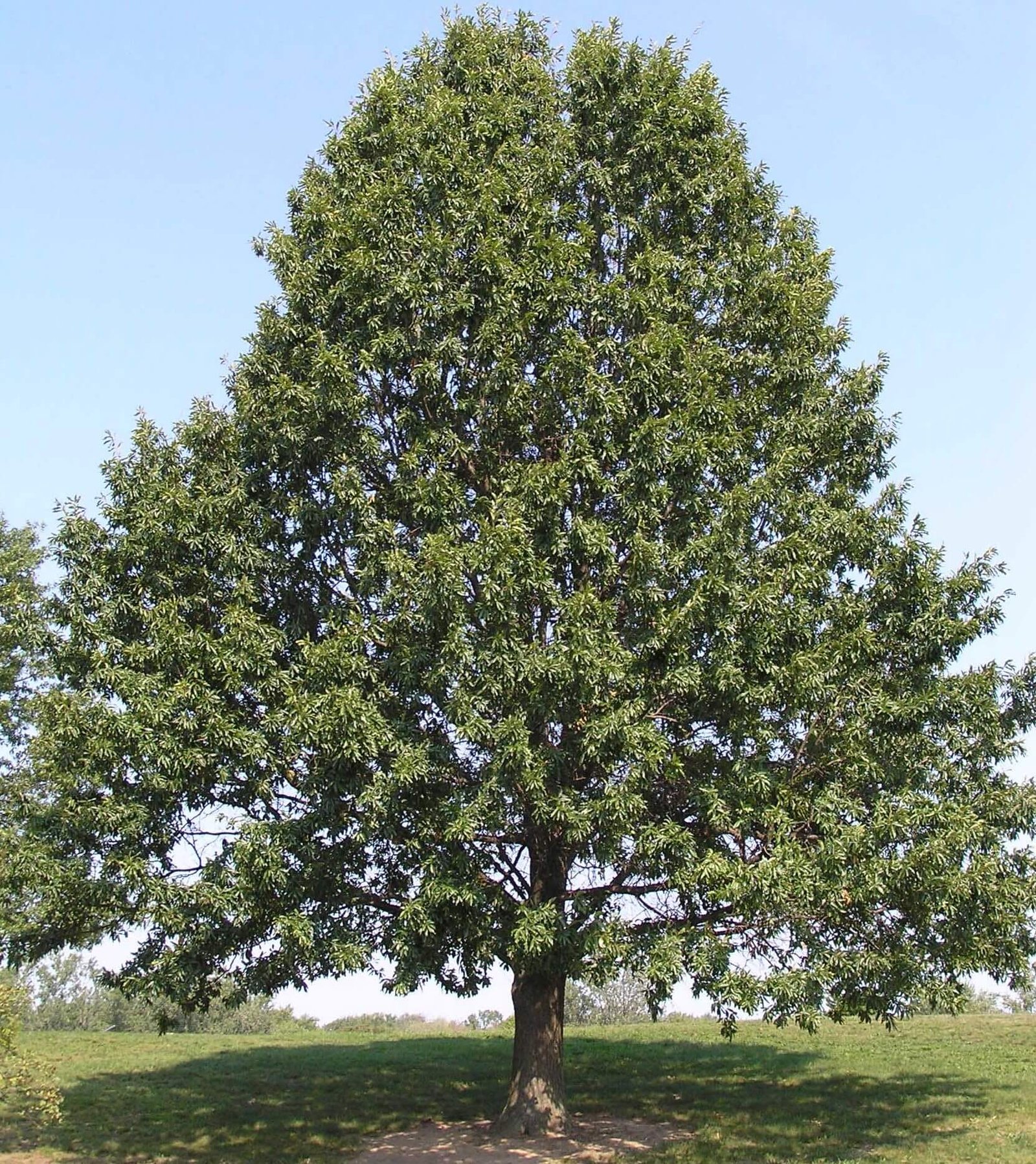
Shingle Oak
Native to the eastern U.S., its unique oblong leaves add visual interest. Fall brings a stunning transformation to deep crimson red.
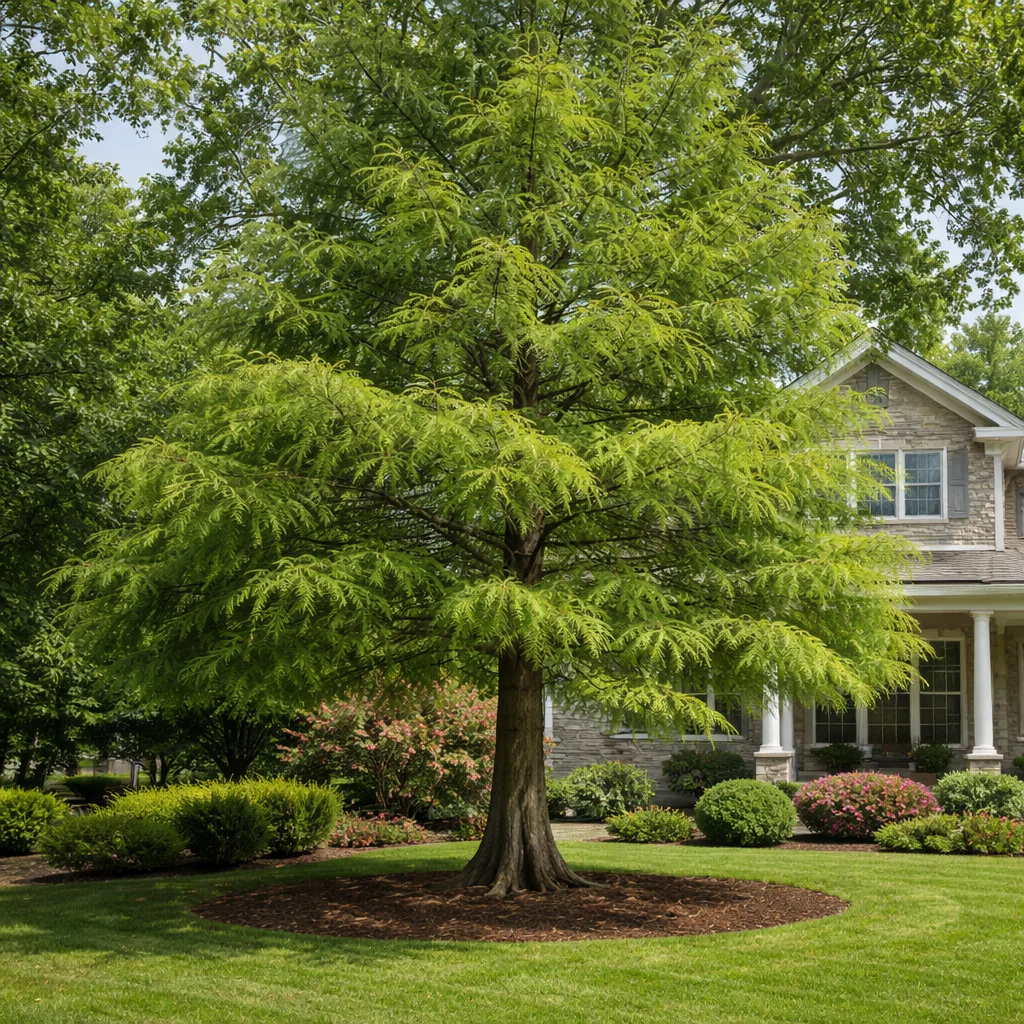
Bald Cypress
Thrives in wet areas of Illinois. Its striking bark and feathery foliage make it an ideal option for areas prone to flooding.
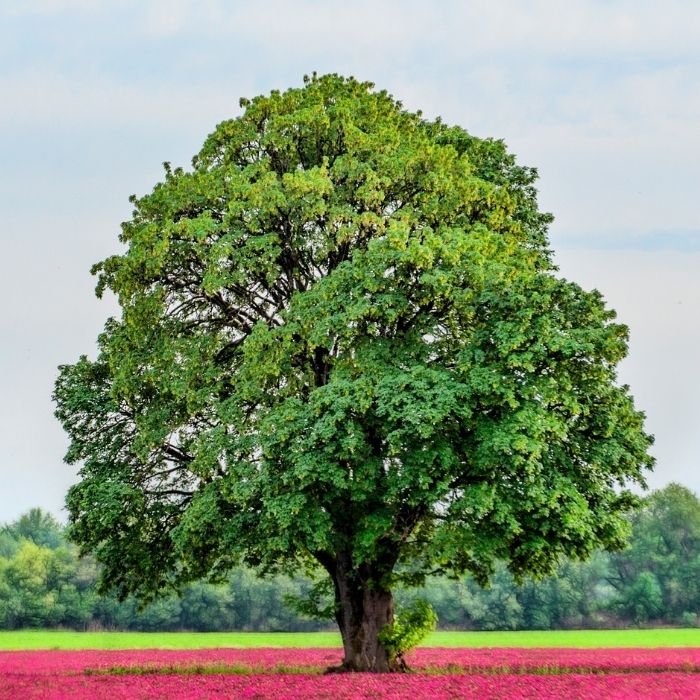
White Oak
The state tree of Illinois. Its majestic presence and broad canopy provide ample shade for parks and large backyards.
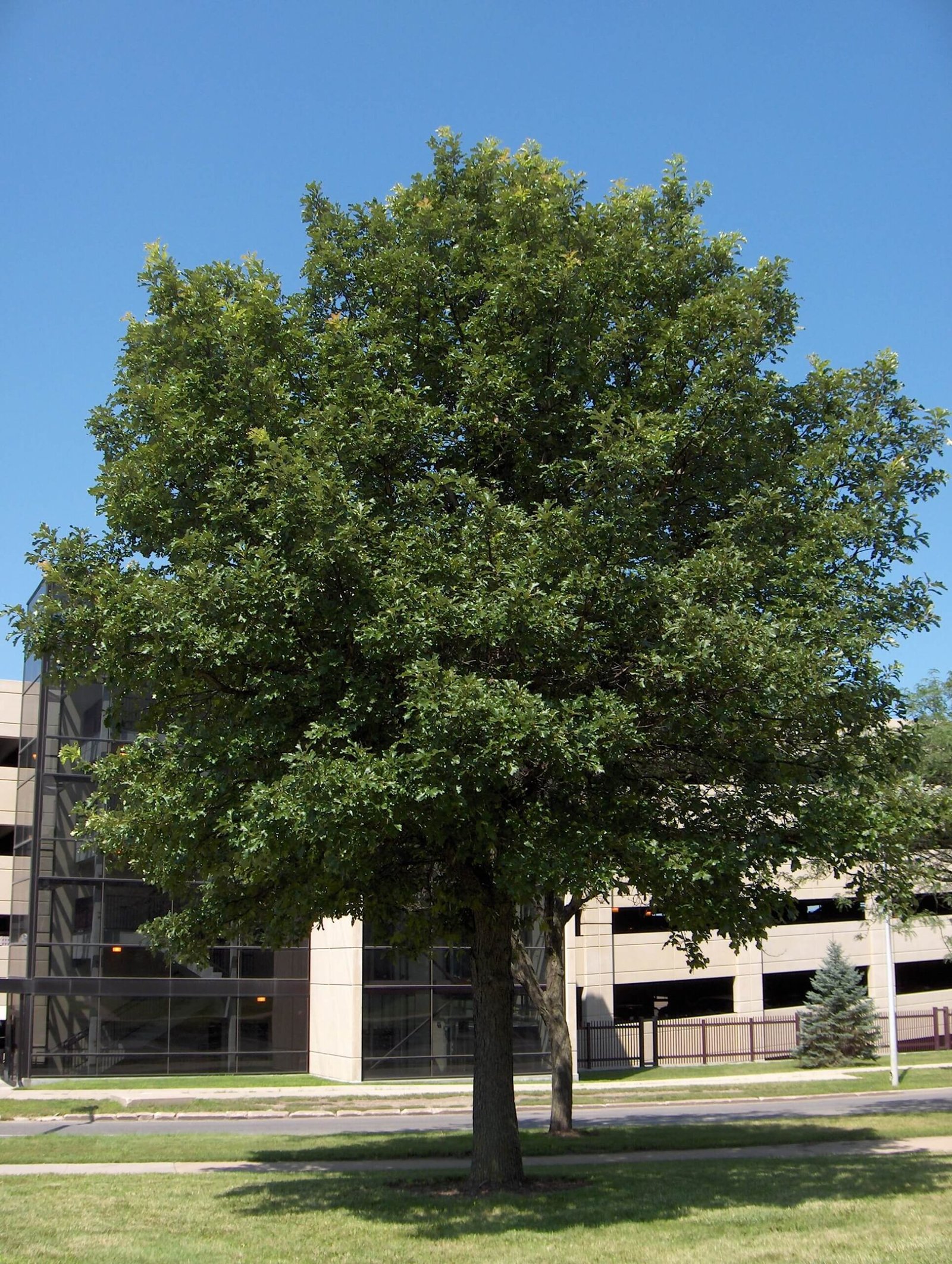
Swamp White Oak
Perfect for poorly drained soils. Its broad, spreading canopy creates a cool, inviting outdoor space during summer months.
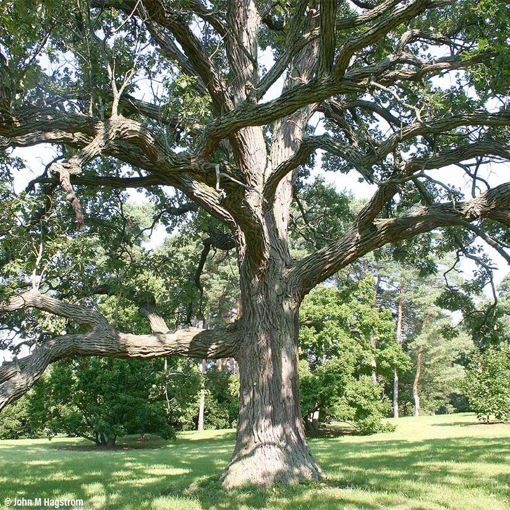
Bur Oak
A hardy Midwest native renowned for massive size. Its deep root system helps to prevent soil erosion and adds stability to the landscape.
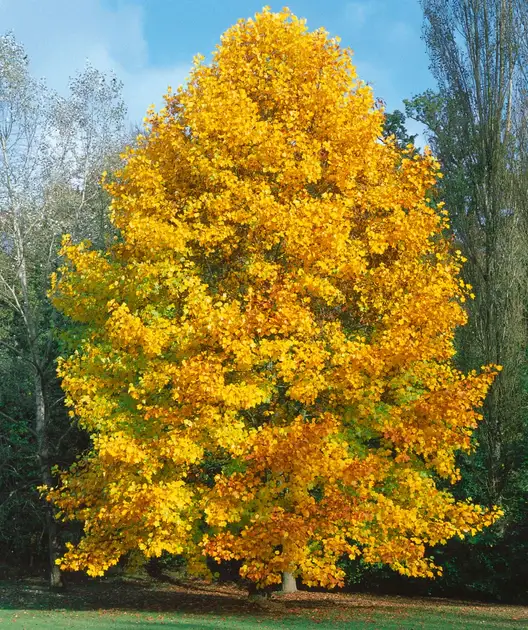
Tulip Tree
Celebrated for large mature size and striking tulip-like flowers in late spring, adding a sense of whimsy to the landscape.
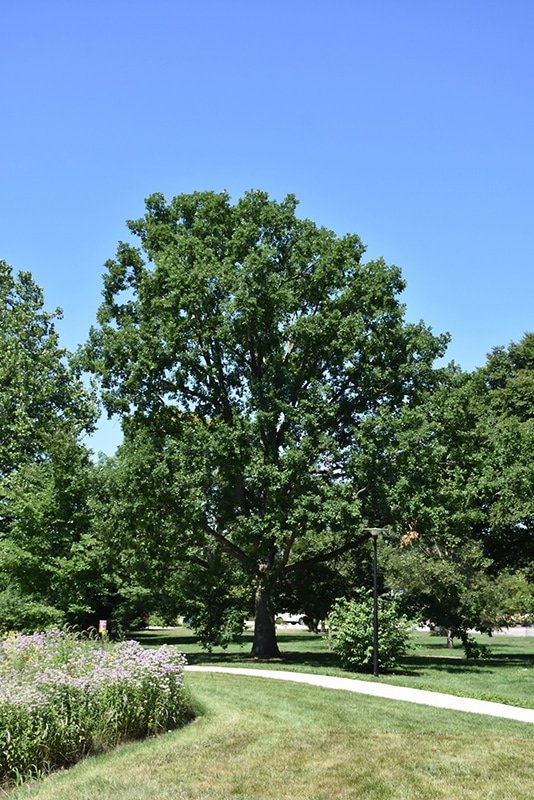
Chinkapin Oak
Highly regarded for adaptability to various soil conditions. Attractive glossy leaves turn yellow to deep red in the fall.
Native Evergreen Trees
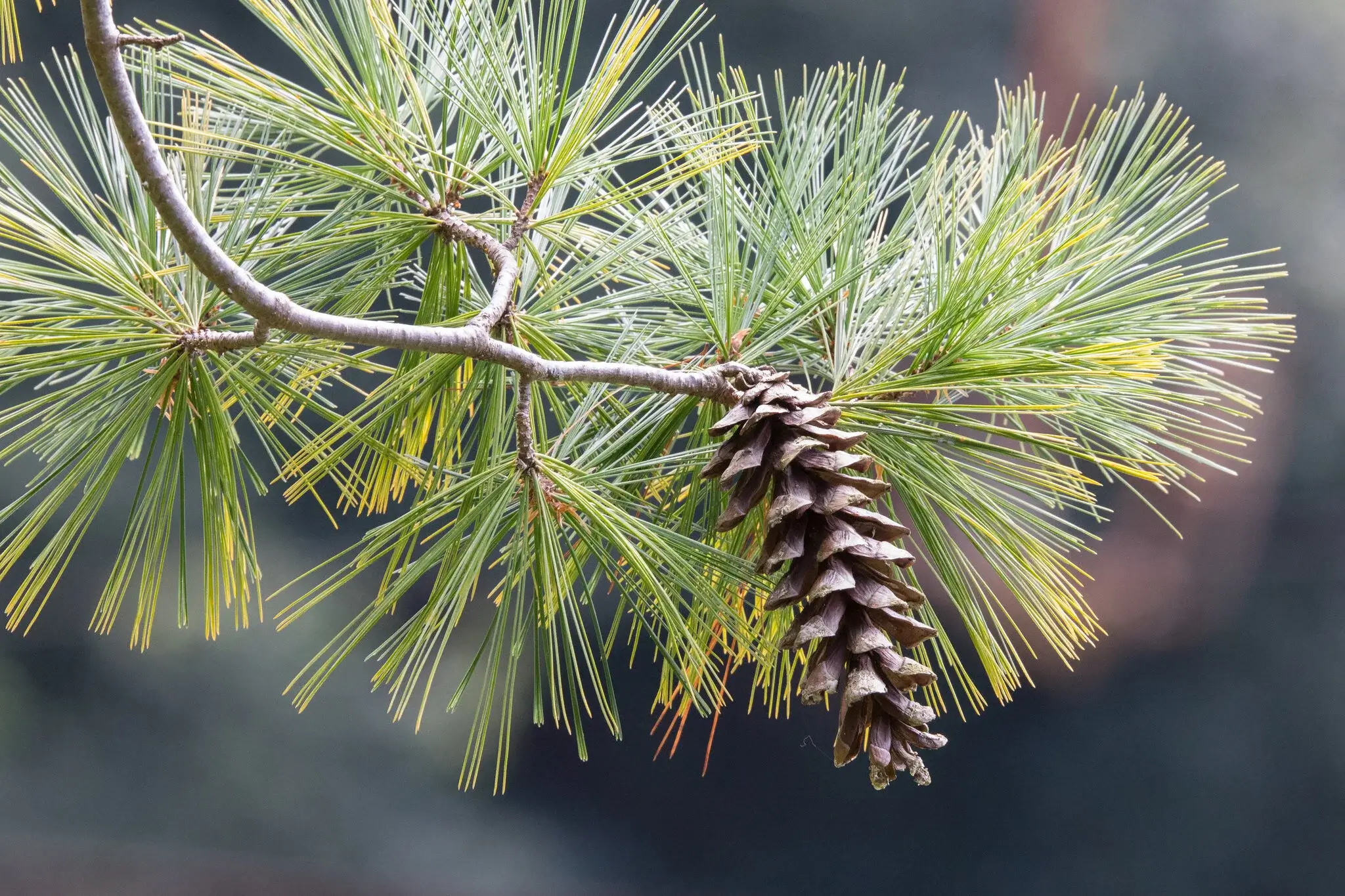
Eastern White Pine
Towering evergreens reaching heights of 50 feet. Their soft, flexible needles contribute to a lush, textured backdrop.
Embrace Native Trees for Your Landscape
By incorporating a native tree into your landscape, you’ll not only add a touch of life back to the environment but also enhance the beauty of your home. This is a worthwhile investment that you can truly feel good about!
Benefits Recap:
Support Local Ecosystems
Environmental Advantages
Preserving Natural Heritage








Leave a Reply