
Honey Locust, Aesthetic Charm and Shade Galore
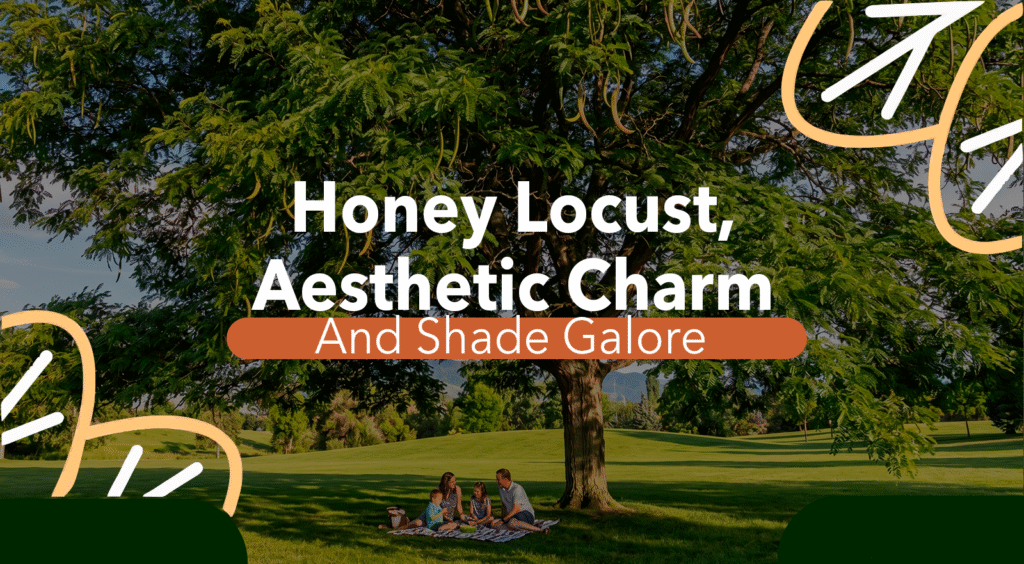
Honey Locust
Aesthetic Charm and Shade Galore
Visual Delight & Natural Umbrella: The Honey Locust tree, with its fine-textured leaves, offers a visual feast that evolves with the seasons. In spring, its foliage bursts into a vibrant yellow, transitioning to a soothing green in summer, and culminating in a golden autumn display. This dynamic color palette not only enriches the landscape but also reflects the tree's adaptability. Beneath its canopy, a natural retreat unfolds—its spreading branches create a dappled shade, ideal for those seeking respite on sunny days while still allowing for the growth of lush gardens below.
The Eco-Friendly Giant
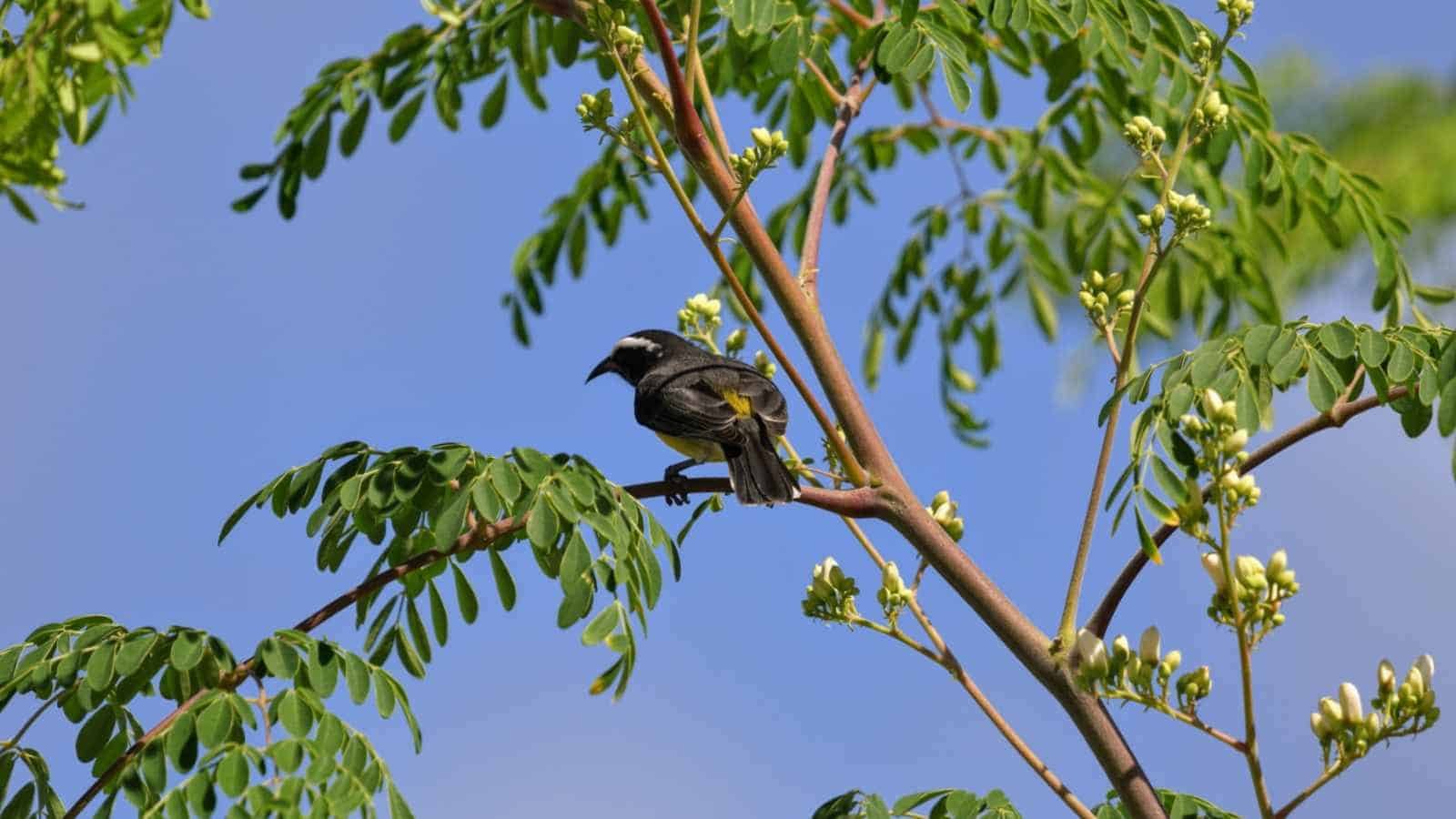
The Honey Locust tree is a wildlife magnet. Its branches offer a safe perch for birds and its foliage serves as a lush retreat for various critters. This tree doesn't just beautify your yard; it transforms it into a bustling habitat.
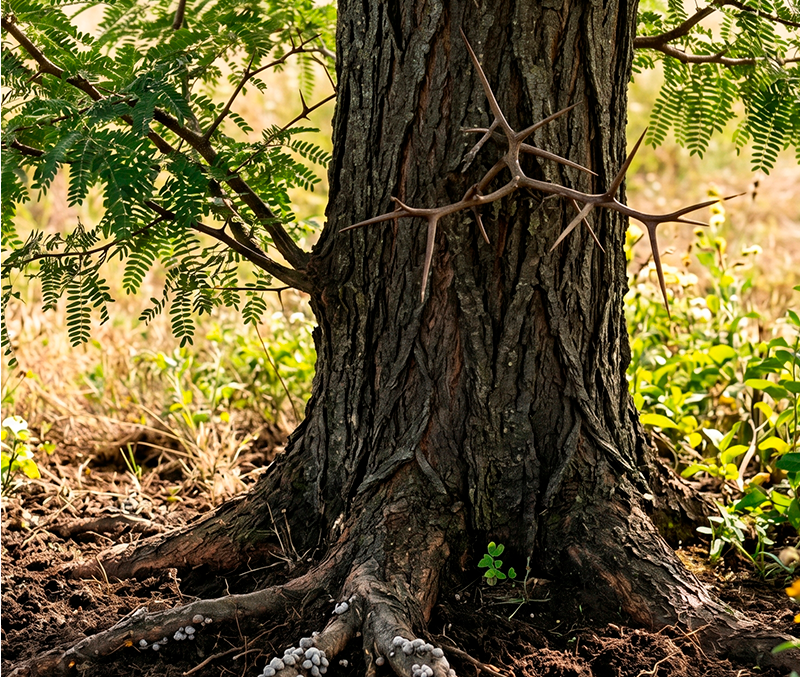
Nitrogen-fixing is the Honey Locust's superpower. This natural process enriches the soil, boosting the health of your entire garden. It's like having a fertilizer factory right in your backyard, without the chemicals.
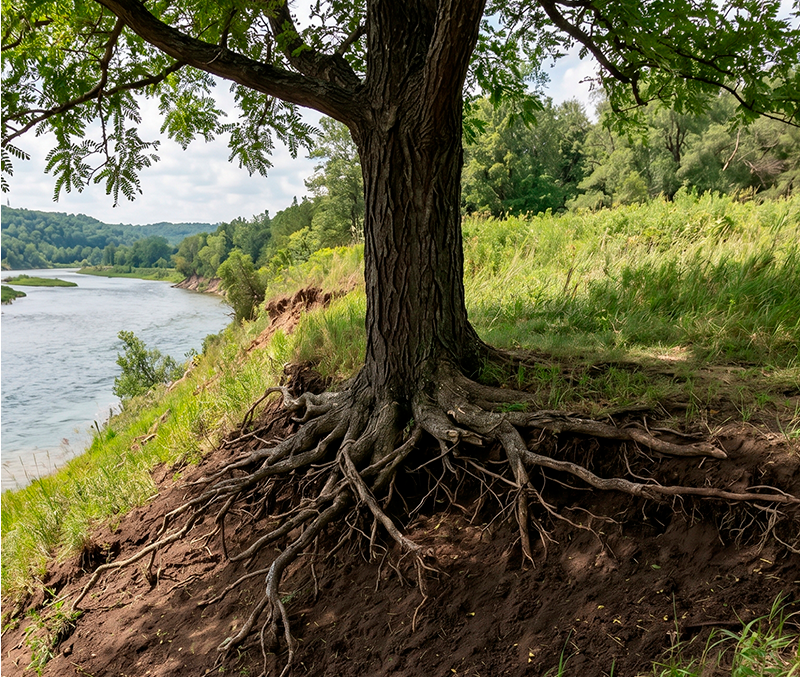
With its robust root system, the Honey Locust stands guard against soil erosion. It's not just a tree; it's a soil stabilizer, keeping your land intact and fertile. This is especially crucial on slopes or near waterways, where erosion can be a real headache.
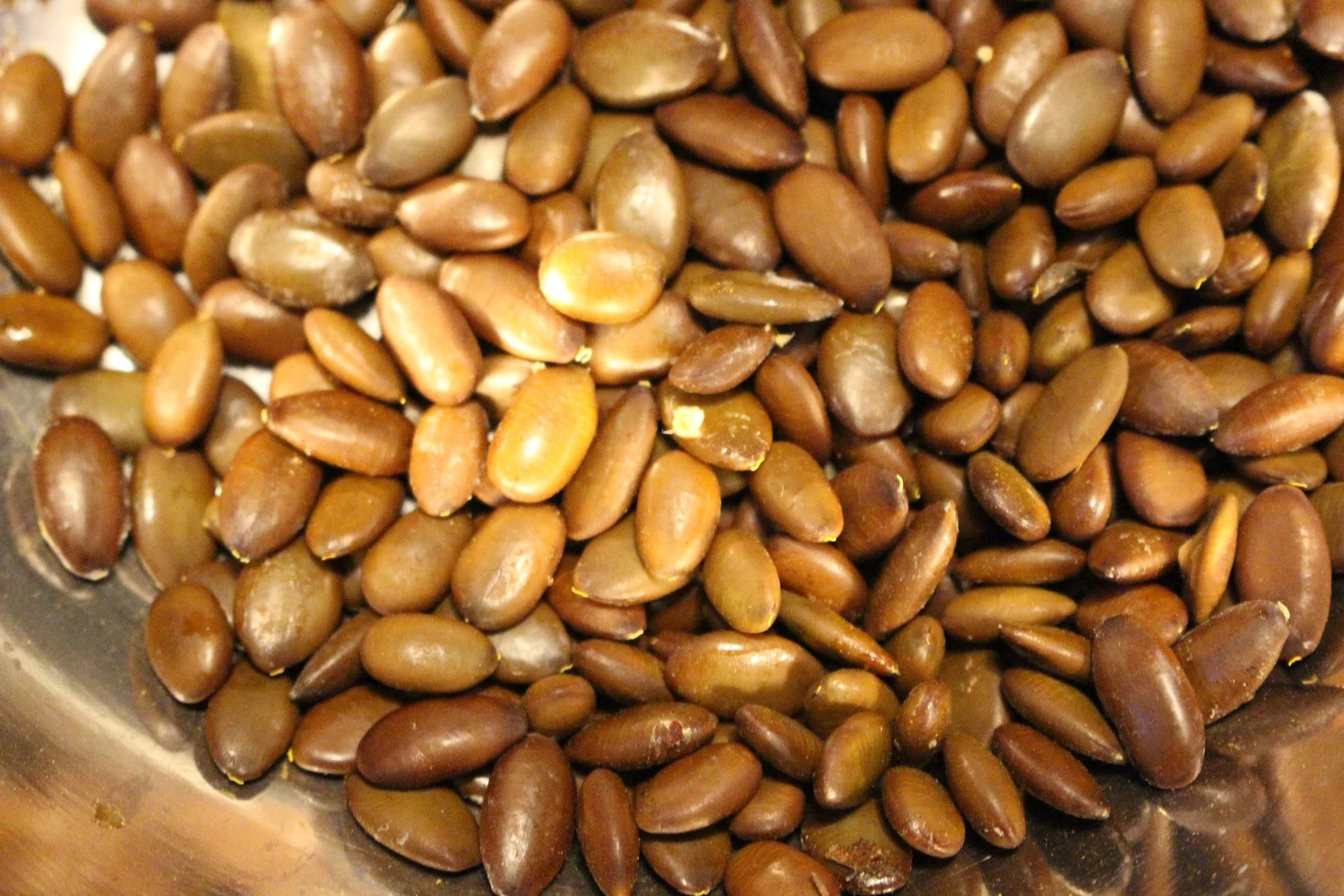
The edible pods of the Honey Locust are not just for wildlife; they've been a part of human diets too. The sweet pulp inside these pods was a traditional food source for Native American people. Imagine the culinary potential—Honey Locust hummus, anyone?

Beyond the kitchen, this tree doubles as a medicinal marvel. With over 60 phytochemicals identified, including polyphenols and saponins, the Honey Locust has been the subject of in vitro studies for its biological activity. It's a potential health ally right in your backyard.
Core Attributes of the Honey Locust
| Attribute | Primary Benefit | Real-World Application |
|---|---|---|
| Canopy | Dappled, filtered shade | Perfect companion for lush garden growth below |
| Roots | Soil stabilization | Erosion control on slopes and waterways |
| Biology | Nitrogen-fixing capability | Natural, chemical-free soil enrichment |
| Pods | Edible sweet pulp & Phytochemicals | Traditional food sources and medicinal research |
A Symbol of Strength
The Honey Locust stands as a testament to resilience, deeply rooted in both culture and the physical landscapes it adorns. Its ability to thrive in harsh urban environments mirrors our own capacity to adapt and persist through difficult conditions.
Rooted in Culture
In the tapestry of human narratives, the Honey Locust has been a silent witness to history, its presence echoing stories of survival and adaptation. It intertwines with our collective memory and individual stories of endurance.
The Giving Tree: Food, Health, and Shade
Choosing to plant or preserve a Honey Locust is a decision that pays dividends across multiple spectrums. From providing a bustling habitat for wildlife and naturally fertilizing your garden soil, to offering potential culinary and medicinal benefits, it truly is a "giving tree" for any landscape.
A Living Legacy
The Honey Locust is far more than just a tree; it's a living legacy. By integrating this magnificent, adaptable giant into our landscapes, we embrace its aesthetic charm, harness its ecological superpowers, and honor the deep resilience and history it represents.









Leave a Reply