
Protecting Seasonal Workers in the Field: A Guide for Nursery Companies in 2026
Protecting Seasonal Workers in the Field
A Guide for Nursery Companies in 2026
Seasonal workers are the backbone of the nursery industry. From spring planting to fall harvest, from potting and pruning to loading trucks in 90-degree heat, these crews make it possible to meet demand.
With 2026 bringing higher costs, tighter deadlines, and more regulatory scrutiny, protecting seasonal workers isn't just the right thing to do. It's smart business.
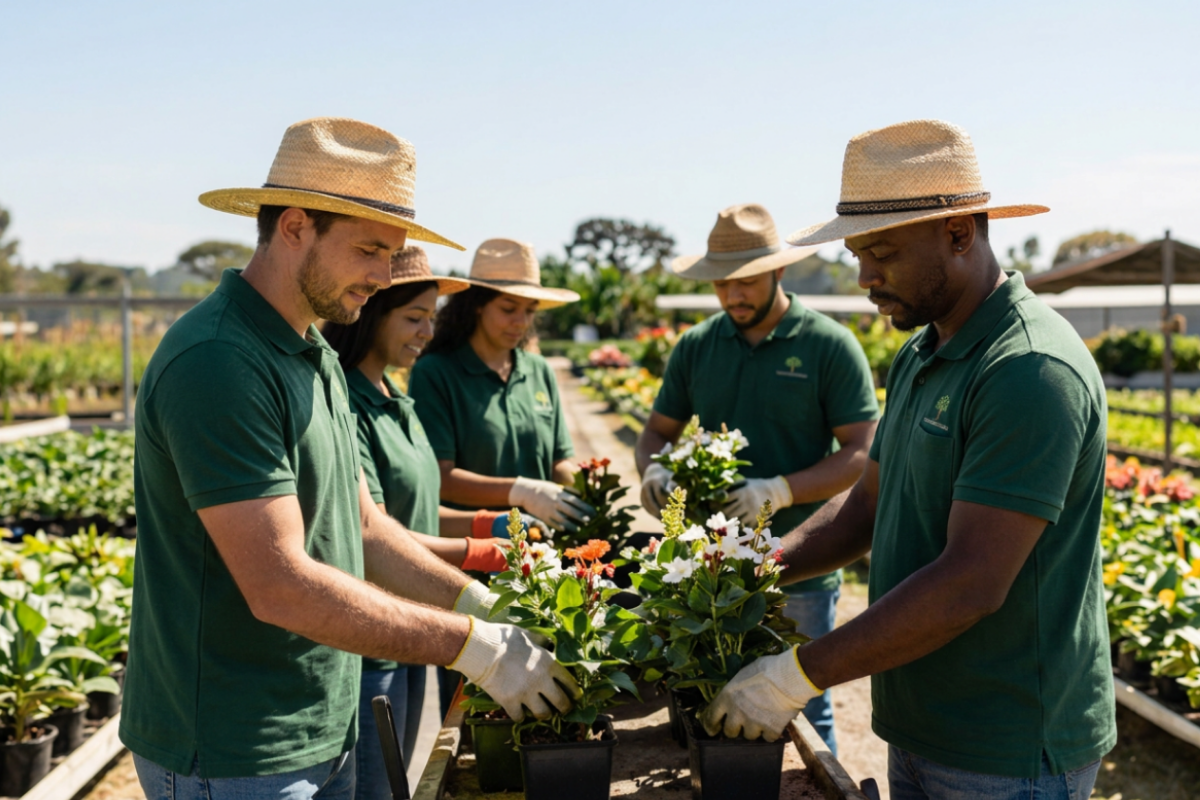
When workers are safe, healthy, and treated well, they stay longer, work more efficiently, and represent your nursery better. When they aren't, you face turnover, injuries, compliance fines, and reputational damage. Worker protection is risk management — and a competitive advantage.
1. Why This Matters More Than Ever in 2026
Nursery work is physically demanding. It's outdoors, often in extreme heat, with repetitive motions, tools, and exposure to chemicals, dust, and sun. Add to that:
Labor shortages
It's harder to find workers, so keeping the ones you already have is critical.
Rising costs
With 70% of growers raising prices in 2026, efficiency matters. Injured or absent workers kill efficiency.
More inspections
OSHA, the Department of Labor, and state agencies are increasing visits to farms and nurseries.
Customer expectations
Big box stores, municipalities, and landscapers are asking for proof of ethical labor practices.
2. The Key Laws Nursery Companies Must Follow
Rules vary by state, but these federal requirements apply to most nurseries hiring seasonal workers:
| Agency / Rule | What It Requires | Where Nurseries Get Cited |
|---|---|---|
| OSHA — General Duty Clause | A workplace free from recognized hazards, with PPE provided and enforced: gloves, eye and hearing protection, respirators when needed. | Missing or unenforced PPE |
| OSHA — Heat Illness | No federal standard yet, but OSHA is actively citing companies for heat-related injuries. Water, shade, and rest are expected. | No shade, warm water |
| OSHA — Training | Workers must be trained in a language they understand, with records kept. | No documentation |
| EPA — Worker Protection Standard (WPS) | Annual pesticide safety training, posted warning signs, decontamination supplies within 1/4 mile, restricted-entry intervals after spraying. | Missing decon supplies |
| DOL — Wage & Hour | Minimum wage, overtime for non-exempt workers, accurate time records. | Incomplete time records |
| DOL — Housing & Transport | H-2A housing must meet federal safety and health standards. Vehicles used to transport workers must be safe and insured. | Uninspected vehicles |
| State Laws | Illinois, California, and Florida add heat rules, rest break requirements, and field sanitation laws. | Check yours — rules tightened in 2026 |
3. The 5 Biggest Risks in Nursery Field Work
Heat exhaustion and heat stroke are the number one danger in summer field work. Symptoms start with headache, dizziness, and nausea — and by the time a worker says something, they are usually well past the early stage. Train supervisors to catch it first.
Heat illness
The #1 danger in summer field work. Watch for headache, dizziness, and nausea.
Musculoskeletal injuries
Lifting, bending, and repetitive pruning lead to back, shoulder, and wrist injuries.
Chemical exposure
Pesticides, fertilizers, and dust cause skin, eye, and respiratory issues without proper PPE.
Equipment accidents
Cuts from tools, forklift incidents, and truck loading injuries.
Dehydration & sun exposure
Long days without water and shade lead to fatigue and long-term skin damage.
The compounding effect
A dehydrated worker lifts wrong. A tired worker mishandles a tool. Risks stack.
4. 7 Practical Ways to Protect Seasonal Workers in 2026
You don't need a massive HR department to do this well. Here's what works in real nurseries:
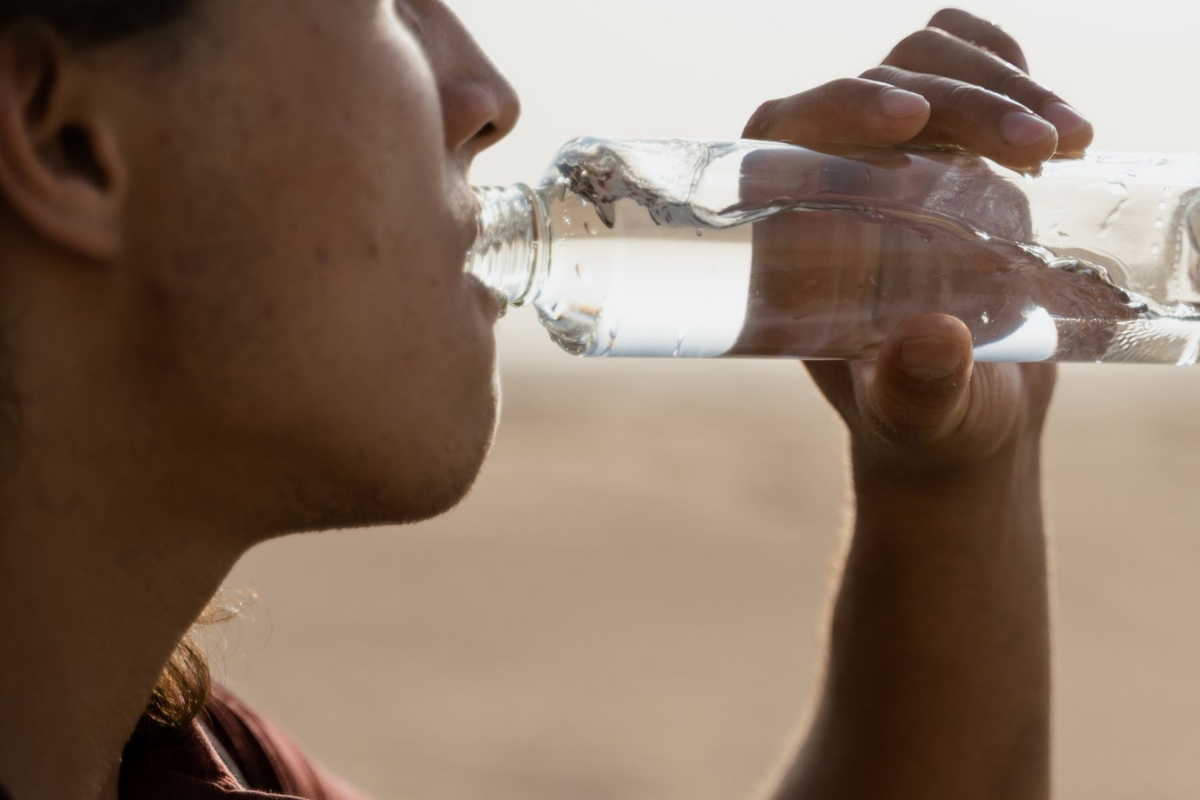
- Water: 1 quart per worker per hour. Cool, accessible, and free.
- Shade: Pop-up canopies or trees where workers can take 5–10 minute breaks.
- Rest: Encourage breaks before people feel sick. Use the buddy system so workers check on each other.
This is non-negotiable in 2026. Train supervisors to spot the early signs of heat illness.
- Training people actually understand: day one, in Spanish, English, or whatever your crew speaks. Use pictures and demonstrations, not just paperwork. Document it — OSHA will ask.
- Provide and enforce PPE: gloves, long sleeves, hats, sunglasses, sunscreen; respirators and chemical-resistant gear for spray crews. Put a PPE station at the field entrance.
- Improve ergonomics: carts and dollies instead of hand-carrying pots, rotated tasks, knee pads for ground work, and proper lifting — legs, not back.
5. Sanitation in the field
1 toilet per 20 workers within 1/4 mile, plus a handwashing station with soap and paper towels. Required by law and basic human dignity — especially during pesticide applications.
6. Communication + respect
Post emergency contacts and clinic info in the break area. Have a foreman workers feel comfortable talking to. Pay on time, every time, and explain pay stubs.
7. Plan for emergencies
First aid kits in every truck and field station. Cell service or radios to call 911. Know the nearest clinic. Have a written heat illness plan — and practice it.
The math: a $20 pair of gloves versus a workers' comp claim. One heat stroke hospitalization can cost $30,000+.
Prevention is the cheapest line item on the job.
5. The Business Case: Why This Pays Off
| Benefit | What Changes | The Value |
|---|---|---|
| Lower turnover | Workers who feel safe come back next season — and bring friends. | $500–$2,000 saved per hire |
| Higher productivity | Hydrated, rested workers move faster and make fewer mistakes. | Less rework, less plant damage |
| Fewer injuries | Workers' comp rates rise after claims, and stay high for years. | $30,000+ per heat stroke avoided |
| Better reputation | Customers are asking, "Do you treat your workers well?" | Wins contracts |
| Compliance peace of mind | Training logs, PPE records, and sanitation ready when OSHA or DOL shows up. | No panic, no fines |
6. Creating a Culture of Safety on Your Nursery
Rules on paper don't help if the culture is "push through it." Here's how leading nurseries build it:
Lead from the top
Owners and managers drink water, take breaks, and wear PPE too.
Hire safety champions
Pick 1–2 respected crew members to be safety leads.
Talk about it weekly
A 5-minute safety meeting every Monday: heat, tools, chemicals.
Reward safe behavior
Gift cards for crews with zero incidents each month.
Ask for feedback
"What would make this job safer for you?" You'll get great ideas.
Say thank you
Celebrate good work. A cold Gatorade and a genuine thanks goes a long way.
7. Checklist for Nursery Managers: 2026 Season
Print this and use it:
- Water and shade available in every work area
- PPE issued, fits correctly, and being used
- Safety training completed and documented for all workers
- Toilets and handwashing within 1/4 mile
- WPS training done if using pesticides
- Emergency plan posted with clinic address and phone
- Heat illness signs posted in English and Spanish
- Time records accurate and wages paid on time
- Housing and transportation inspected if applicable
People Grow Plants
Seasonal workers are not "temporary." They are the reason your business runs from March to October. In 2026, the nurseries that thrive will be the ones that treat worker protection as a core part of operations — not an afterthought.









Leave a Reply