
How Illinois Regulations Help Nurseries Manage Invasive Species: What Growers Need to Know for 2026
Illinois Rules on Invasive Species
What Growers Need to Know for 2026
If you run a nursery in Illinois, you already know: growing plants isn't just about soil, water, and sun. It's also about compliance. And one of the biggest compliance issues hitting nurseries right now is invasive species.
Illinois has some of the strictest state-level rules in the Midwest. Follow them and you protect the state's natural resources — and your own business from fines, quarantines, and lost sales.

The state sits at the crossroads of agriculture, horticulture, and major shipping routes — which makes it especially vulnerable to invasive species hitchhiking on plants, soil, and equipment. The IDOA and IDNR estimate invasives cost Illinois millions per year in control, lost nursery stock, and ecosystem damage.
1. Why Illinois Cares So Much About Invasive Species
Once these get established, they are incredibly expensive to control. The threats regulators are watching most closely right now:
Plants
Japanese barberry, burning bush, Callery pear, buckthorn.
Insects
Emerald ash borer, spotted lanternfly, Asian longhorned beetle.
Diseases
Sudden oak death, boxwood blight.
2. The Key Laws and Agencies That Affect Nurseries

The Illinois Department of Agriculture (IDOA) is your main regulator: nursery stock certification, the Exotic Weed Act, and quarantines. The Department of Natural Resources (IDNR) manages the Invasive Species Rule, which sorts species into prohibited and restricted — and also runs the "Don't Let It Loose" campaign many nurseries now reference on plant tags.
| Rule | What It Requires | What Happens If You Miss It |
|---|---|---|
| Nursery Stock Certification (IDOA) | Annual inspection of every nursery selling plants in Illinois. Inspectors look for pests, diseases, and prohibited species. | No certificate, no legal sales |
| Illinois Exotic Weed Act | Prohibits sale, distribution, and planting of listed species — garlic mustard, purple loosestrife, Japanese honeysuckle and others. | Fines + destruction of stock |
| Quarantines (IDOA) | When a pest like spotted lanternfly is detected in a county, you can't move certain plants or materials out without a permit. | Shipments stopped |
| Prohibited species (IDNR) | Cannot be sold, transported, or planted. Period. | Stop-sale order |
| Restricted species (IDNR) | Can be sold, but with education and management requirements at point of sale. | Signage required |
3. What Nurseries Are Actually Required to Do
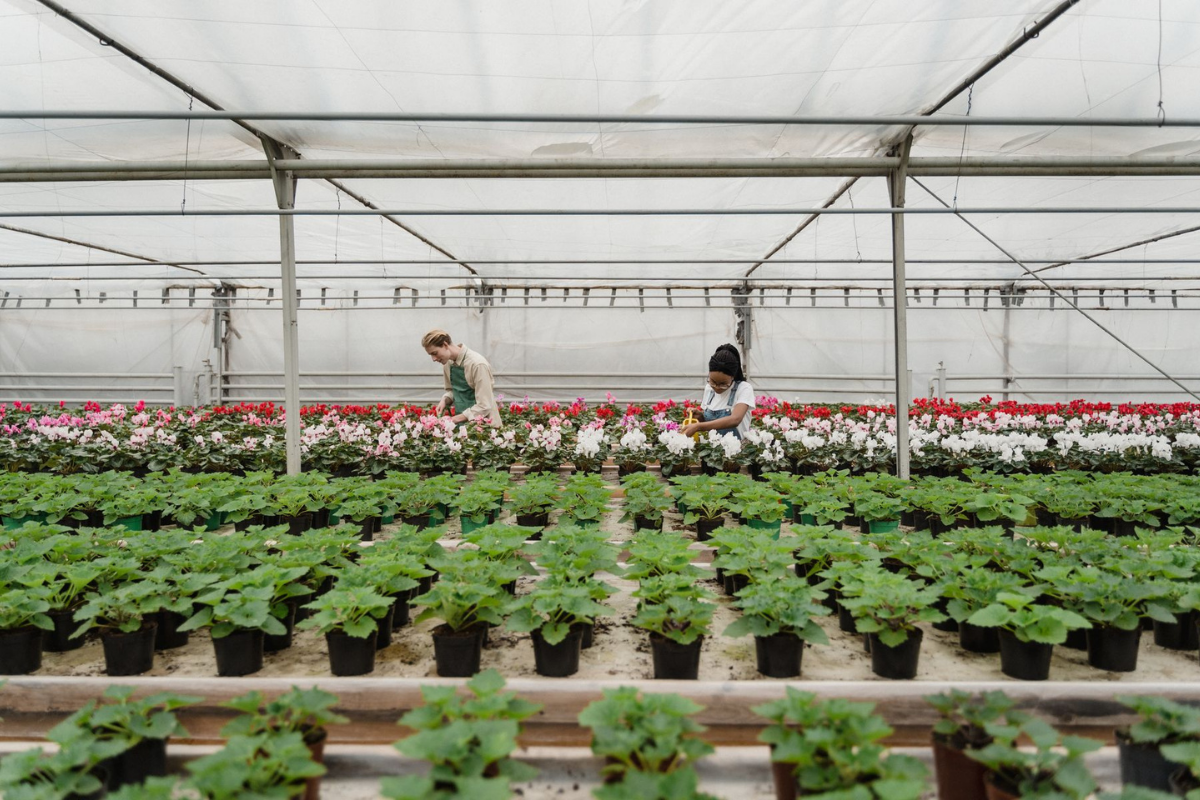
- Pass your annual inspection: IDOA checks for pests, prohibited plants in inventory, and proper labeling and records. Fail and you may have to destroy or treat stock before selling.
- Don't grow or sell prohibited species: burning bush and Callery pear already face local bans in several Illinois municipalities. Even where the state hasn't acted, cities have.
- Label restricted species: signage or tags that say "This plant can be invasive. Plant responsibly." Some nurseries are adding QR codes to care guides.
- Ship legally: check for active quarantines before moving stock across county or state lines. IDOA issues compliance agreements.
- Keep records: if IDOA finds an invasive pest, they trace back. Clean records resolve issues faster.
4. How These Regulations Actually Help Your Business
Compliance feels like one more thing. But the payoff is real:
Protects your inventory
An invasive pest outbreak can wipe out an entire crop. Required inspections catch problems early, before they spread through your greenhouses.
Builds customer trust
Homeowners and landscapers are getting smarter. They want to buy from nurseries that don't sell invasive plants. "Illinois compliant" is becoming a selling point.
Avoids fines and stop-sales
A single violation can mean destroying thousands of dollars of stock. Staying ahead of the rules is cheaper than reacting to them.
Opens municipal contracts
Illinois cities increasingly require that landscape projects use only non-invasive species. If you're compliant, you can bid on those jobs.
5. The 2026 Outlook: What's Changing
More plants prohibited
Expect more ornamental shrubs to move from restricted to prohibited. Callery pear is already banned in several Illinois cities and under state review. Phase out risky inventory now.
Enforcement of online sales
IDOA is increasing monitoring of websites and social media. If you ship to Illinois, you follow Illinois rules regardless of where you're located.
Focus on pests, not just plants
Spotted lanternfly continues to move west. Expect expanded quarantines in 2026 — more shipping paperwork and more inspections.
The math: a stop-sale order can mean destroying thousands of dollars of finished stock, mid-season.
Checking a list in January is cheaper than a bonfire in May.
6. 5 Steps to Stay Compliant in 2026
- Bookmark the IDOA and IDNR prohibited lists — check for updates every January
- Schedule your nursery inspection in winter, not during spring rush
- Walk your blocks and flag anything prohibited or on the watch list
- Have a written plan to phase out risky inventory
- Train your sales team on compliant swaps and alternatives
- Post signage: "We follow Illinois invasive species regulations"
7. Alternatives That Sell Well in Illinois
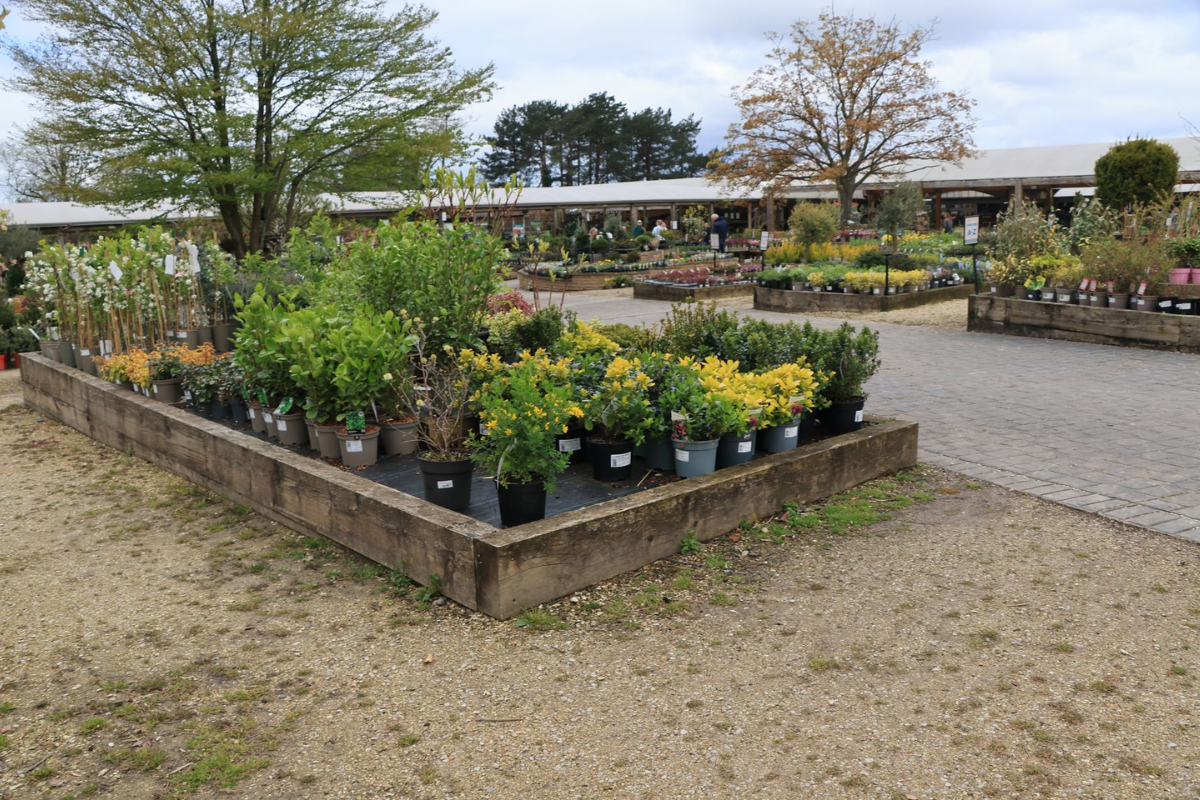
Worried about losing sales if you drop invasive plants? These natives and non-invasives perform well in Illinois conditions and are easier to sell as eco-friendly — which matters when customers are already absorbing price increases.
| Instead of This Invasive | Why It's a Problem | Try This Alternative |
|---|---|---|
| Burning Bush | Seeds spread into woodlands and outcompete native understory. | Dwarf Fothergilla, Ninebark |
| Callery Pear | Already banned for sale in several Illinois cities; under state review. | Serviceberry, Kentucky Coffeetree |
| Japanese Barberry | Forms dense thickets and harbors ticks. | Coralberry, New Jersey Tea |
| Buckthorn | One of the most aggressive woodland invaders in the state. | Pagoda Dogwood, Witch Hazel |
Regulations Aren't the Enemy — They're Risk Management
Illinois rules around invasive species can feel strict, but they exist for a reason. They protect our forests, waterways, and farms. And for nursery businesses, they protect your reputation and your bottom line.








Leave a Reply