Top 2026 Gardening Trends: What Nurseries, Growers, and Home Gardeners Need to Know
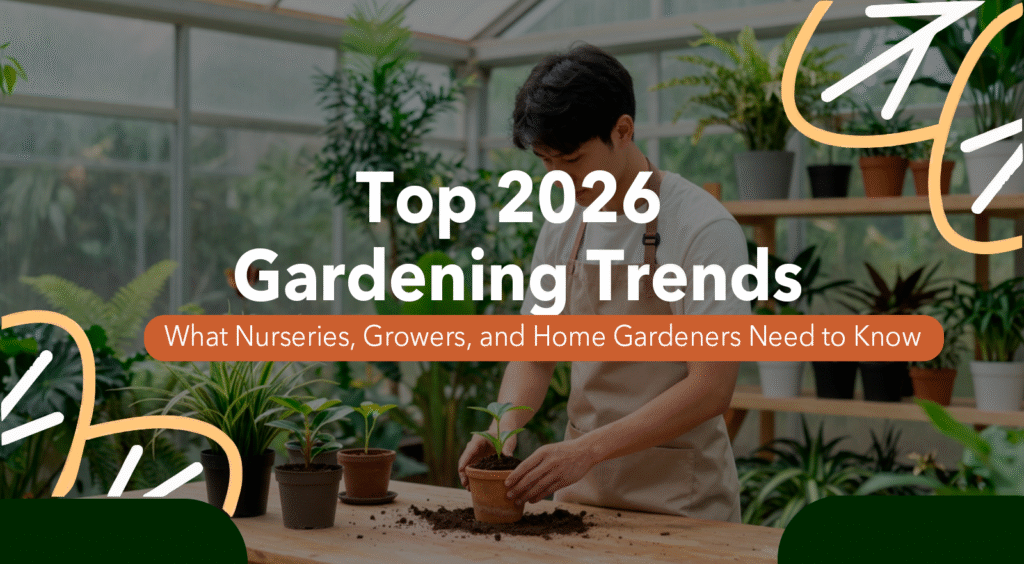
Top 2026 Gardening Trends
What Nurseries, Growers, and Home Gardeners Need to Know
If the last few years taught us anything, it's that gardening in 2026 looks nothing like it did in 2020. Weather swings, higher costs, new tech, and changing customer values are reshaping what people grow and how they grow it.
For nursery companies, staying ahead of these trends isn't about being cool. It's about selling what people actually want — and protecting your bottom line.
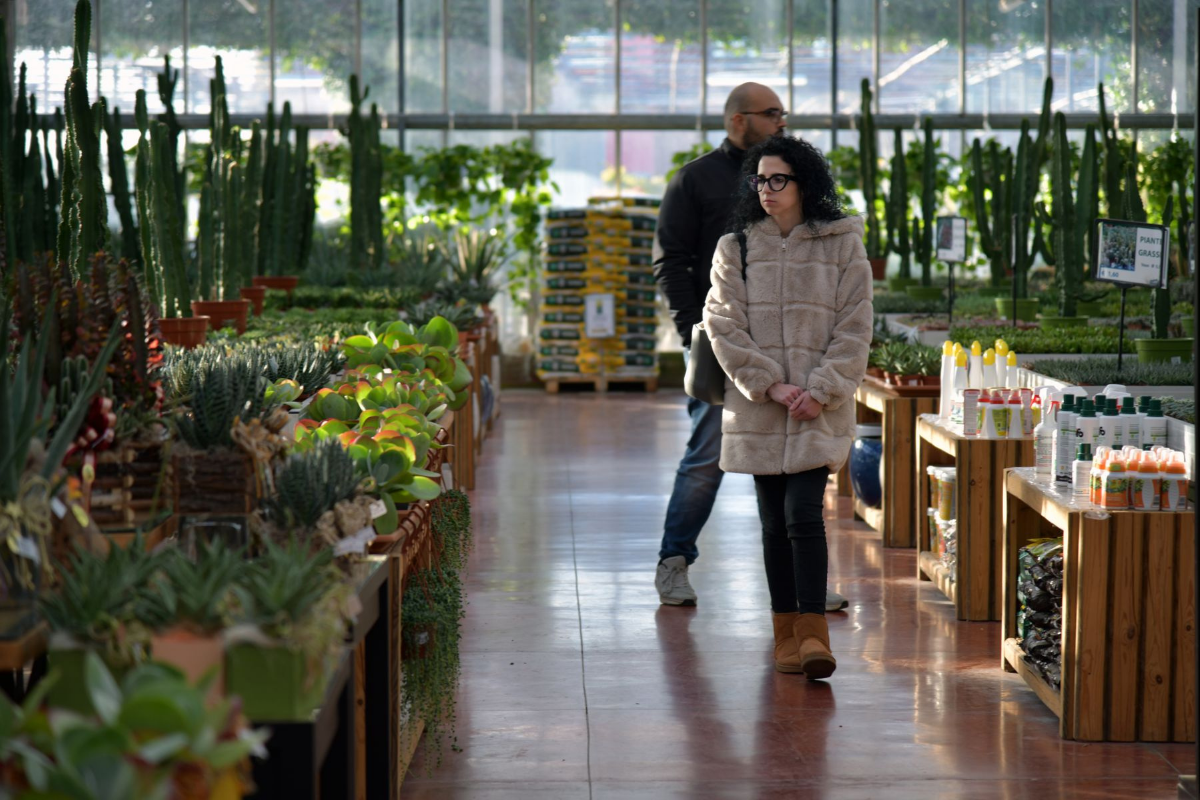
Whether a customer is asking about drought tolerance, a blueberry hedge, a soil sensor, or a pollinator patch, they're really asking the same thing: will this work for me, and can I trust the person selling it? Here are the seven trends shaping 2026 and how to put each one to work in your yard.
1. Climate-Resilient Planting
With late frosts, heat domes, and droughts, everyone is asking the same thing: will this survive? Growers and homeowners want plants labeled heat tolerant, drought resistant, and frost hardy.
Stock for your region
Natives and xeriscaping options that already handle your local swings, not catalog picks bred for somewhere else.
Tag it clearly
Put "2026 Climate Tough" signs right in the yard so customers can shop the section without asking.
Hand out guides
"Best trees for 105°F summers." "Perennials that handle wet springs." Specific beats generic every time.
The pitch that works: customers aren't buying a plant, they're buying the odds it lives.
People pay more for plants they won't have to replace.
2. Edible Landscaping Goes Mainstream
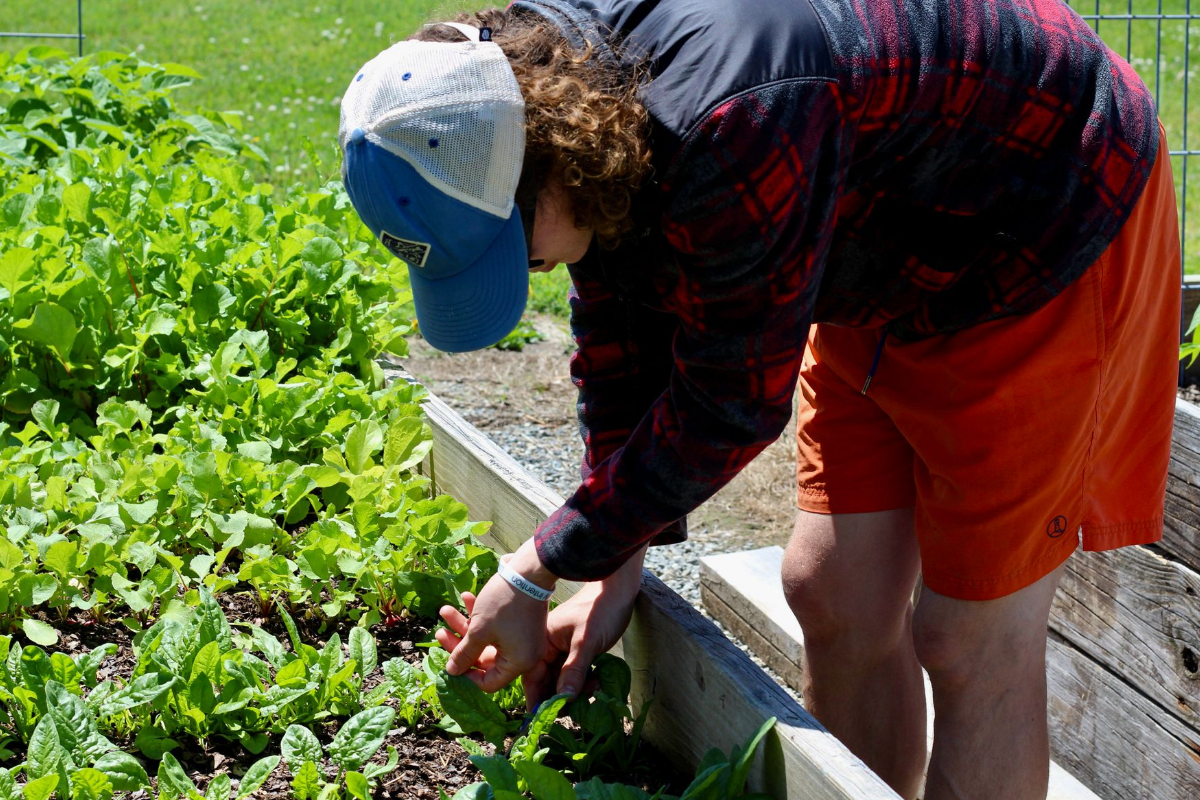
Food prices are still high, so people want both from the same square footage. Think blueberry hedges, dwarf fruit trees, and herb borders.
- Bundle edible landscape kits: three fruit shrubs, two herbs, and mulch in one package.
- Push small-space varieties: patio peaches and columnar apples were bred for exactly this buyer.
- Sell it to landscapers: "install it once, harvest for ten years" is an easy line to repeat to a client.
This is huge with homeowners 25–45 who want groceries out of their own yard.
3. Water-Smart Gardening
Municipalities are restricting watering. Rain barrels, drip irrigation, and mulch are no longer optional add-ons — they're part of the sale.
Sell the palette, not the plant
Water-wise plant palettes with the drip line included. One decision instead of eight.
Host a workshop
A "Water-Smart Workshop" at the nursery fills a Saturday and moves inventory the same day.
Partner up
Rain barrel companies will supply in-store displays. Free merchandising, extra basket size.
In 2026, "saves water" sells as hard as "beautiful blooms."
4. Tech in the Garden
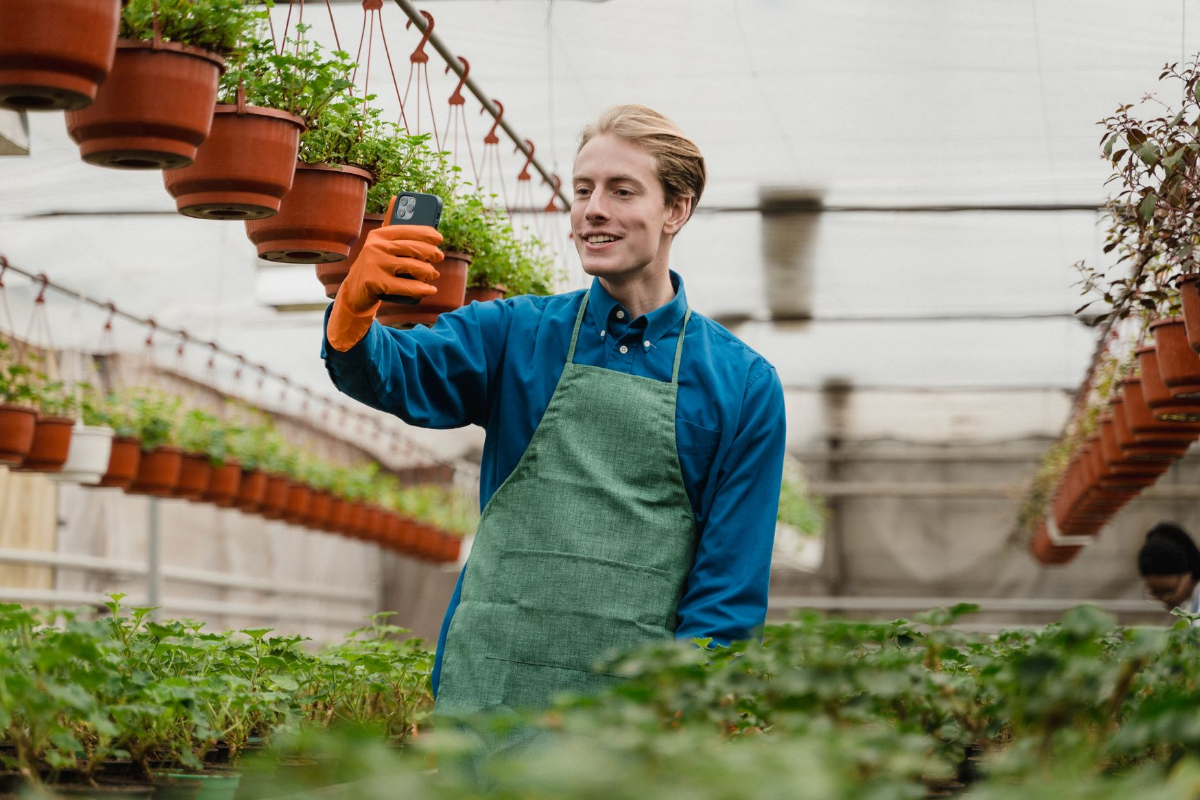
Soil sensors, app-controlled drip systems, and AI plant ID apps are everywhere now. Younger buyers in particular expect technology to take the guesswork out of gardening.
- Carry the tools: moisture meters and solar-powered irrigation timers are easy impulse adds at the register.
- Put QR codes on plant tags that link straight to a care video — it answers the question your staff gets forty times a day.
- Offer smart starter kits: a sensor plus an app subscription, sold as one product.
5. Regenerative and Soil-First Gardening
People are done with "organic" as the finish line. They want to rebuild soil. Compost, biochar, mycorrhizae, and no-till are all trending.
Expand the amendment aisle
Compost, worm castings, and cover crop seed. This is the aisle customers walk to first now.
Offer soil testing
A test turns a browsing customer into a customer with a shopping list — and a reason to come back.
Educate constantly
"Healthy soil means healthy plants means fewer problems." Say it on signage, in classes, at the counter.
Build real loyalty
You're solving the root problem instead of selling a replacement plant. Customers notice the difference.
6. Wellness Gardens and Outdoor Living
Gardens are a mental health purchase now. Sensory gardens, pollinator gardens, and cut-flower patches are all booming.
Build display gardens
A Fragrance Garden, a Butterfly Garden, a Tea Garden. People buy what they can stand inside of.
Sell the bouquet
Cut-flower seed mixes and bouquet bundles turn one bed into a season of small wins.
Reframe it for landscapers
"Design a wellness space, not just a yard." Same install, higher perceived value.
7. Supporting Local Nurseries

After years of big-box shopping, customers want to buy local again. They care about plant quality, real expertise, and supporting the community.
- Tell your story: "Grown here, by people who know your climate." That sentence is your competitive moat.
- Guarantee your plants for a year. The big boxes won't, and customers know it.
- Show your practices: worker safety and sustainability are purchase drivers, not fine print.
| The Trend | What the Customer Is Really Asking | What to Sell |
|---|---|---|
| Climate-Resilient Planting | "Will this survive a 105°F August or a wet spring?" | Natives + Climate Tough tags |
| Edible Landscaping | "Can my yard look good and feed my family?" | Edible landscape kits |
| Water-Smart Gardening | "How do I plant under watering restrictions?" | Palette + drip line |
| Tech in the Garden | "How do I stop guessing when to water?" | Smart starter kits |
| Soil-First Gardening | "Why do my plants keep struggling?" | Amendments + soil tests |
| Wellness Gardens | "How do I make a space that feels good?" | Sensory + pollinator designs |
| Buying Local | "Who actually knows what grows here?" | Your expertise + 1-yr guarantee |
How Nurseries Win With These Trends in 2026
- Curate, don't just stock: build "2026 Trend" sections — Climate Tough, Edible, Pollinator
- Educate: free 20-minute classes sell plants. "Drip Irrigation 101" moves product
- Bundle: a "Drought Garden Kit" is easier than picking eight plants
- Follow up: email in fall — "how did your edible hedge do?" — and earn the repeat sale
- Put QR codes on tags linking to care videos
- Offer soil testing at the counter
- Guarantee your plants for one full year
- Say where the plants were grown, out loud, on every sign
Adapt or Get Left Behind
2026 gardeners are smarter, more cost-conscious, and more values-driven than ever. They want plants that survive weird weather, feed their family, save water, and make them feel good. And they want to buy those plants from people they trust — like you.







Leave a Reply