
Landscape & Industry Economist: The Real Cost of Plant Failure on Illinois Projects
The Real Cost of Plant Failure on Illinois Projects
Landscape & Industry Economist
If you track labor, fuel, and materials on your Illinois jobs, you’re already thinking like an economist. But there’s one line item that quietly destroys margin: plant failure.
It’s not just “dead plants = replace them.” On prevailing wage work, it’s crew downtime + warranty holds + delayed sign-off + reputation damage. Let’s run the numbers.
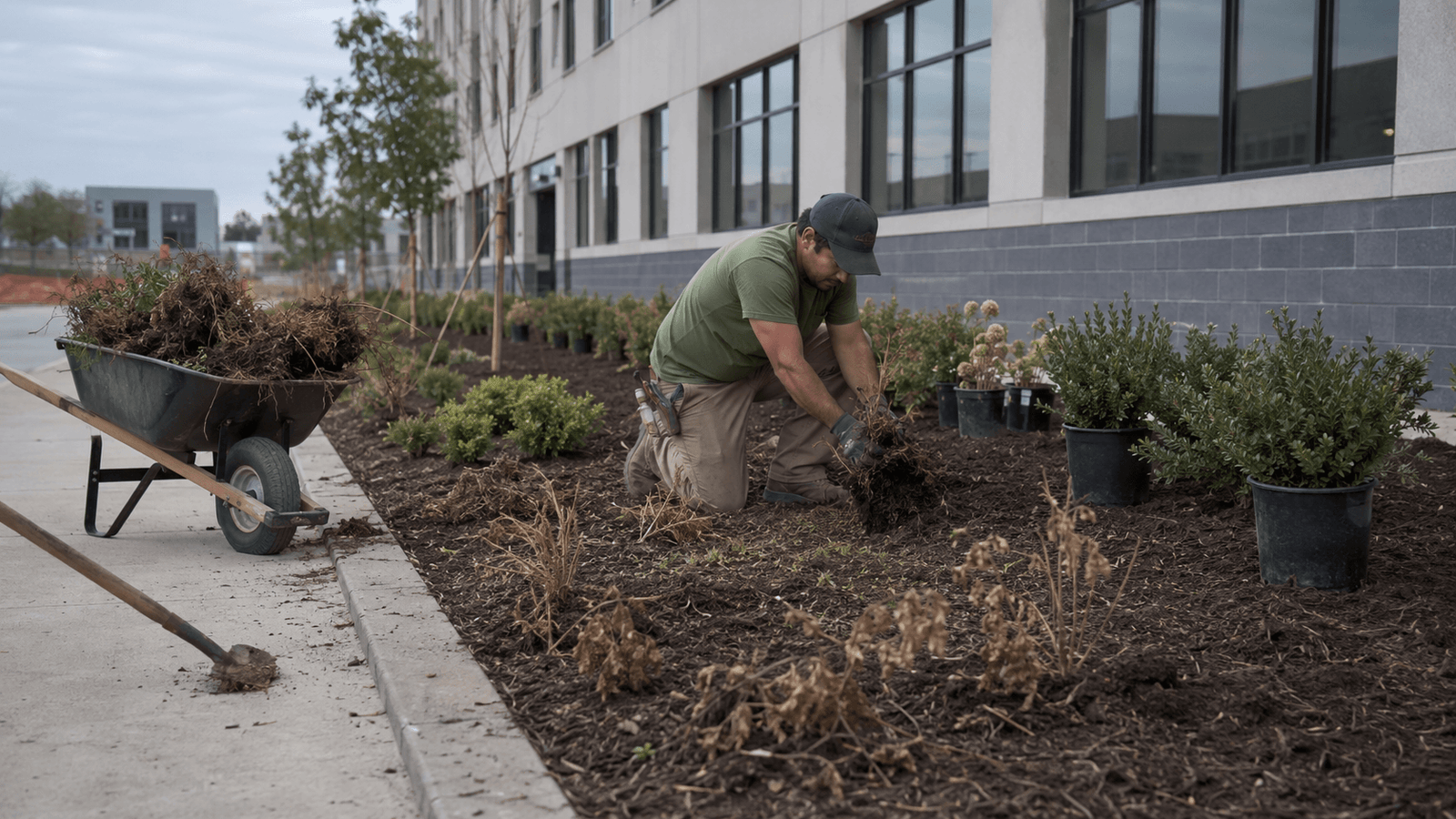
Failure doesn’t just cost the plant. It costs the crew hours to pull it, the disposal, the reset, and the callback trip. On prevailing wage work those hours add up fast, and they come straight out of your margin.
1. The Direct Costs Nobody Budgets For
For a 500-plant install in DuPage County at 10% failure (50 plants):
| Line Item | The Math | Cost |
|---|---|---|
| Replacement plants | $3–$8 each × 50 plants | $1,500–$4,000 |
| Labor to R&R | 0.3 hrs × $52/hr IL prevailing wage = $15.60/plant | $7,800 |
| Disposal + irrigation reset | Per job | $200–$400 |
| Total gone | 10% failure on 500 plants | $9,500–$12,200 |
At 20% failure, you just paid for a new pickup.
2. The Hidden Costs That Hurt More
Crew downtime
2 days waiting on replacement stock = $3,000+ in lost billable hours.
Retention holds
Municipalities keep 10% until establishment. Failures delay that check 6–12 months.
Bid reputation
HOAs and developers remember who came back twice. Next bid gets harder.
3. Why Illinois Projects Fail More Than Others
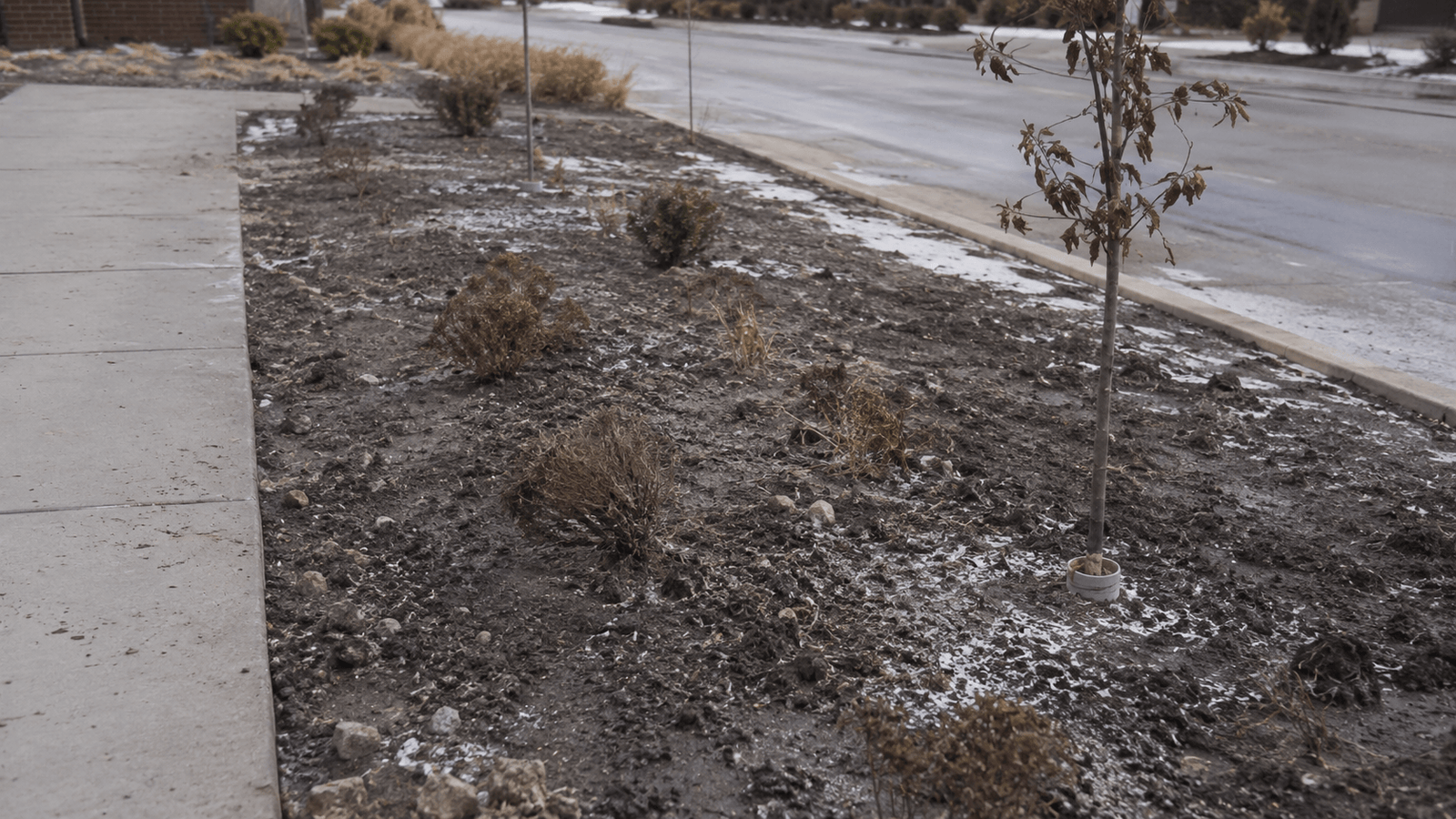
Illinois jobs stack the odds against new plantings: compacted subsoil, brutal freeze-thaw cycles, and full-sun parkways that punish the wrong species. Get any one of these wrong and your survival rate drops before the warranty period even starts.
Construction soil
Compacted subsoil + zero organic matter = suffocated roots in year 1.
Winter desiccation
Zone 5b/6a freeze-thaw kills undersized or non-acclimated stock.
Wrong species for exposure
Spec’ing shade plants for full-sun parkways because the price was lower.
4. The Economist’s Fix: Spec for Survival Rate, Not Unit Price
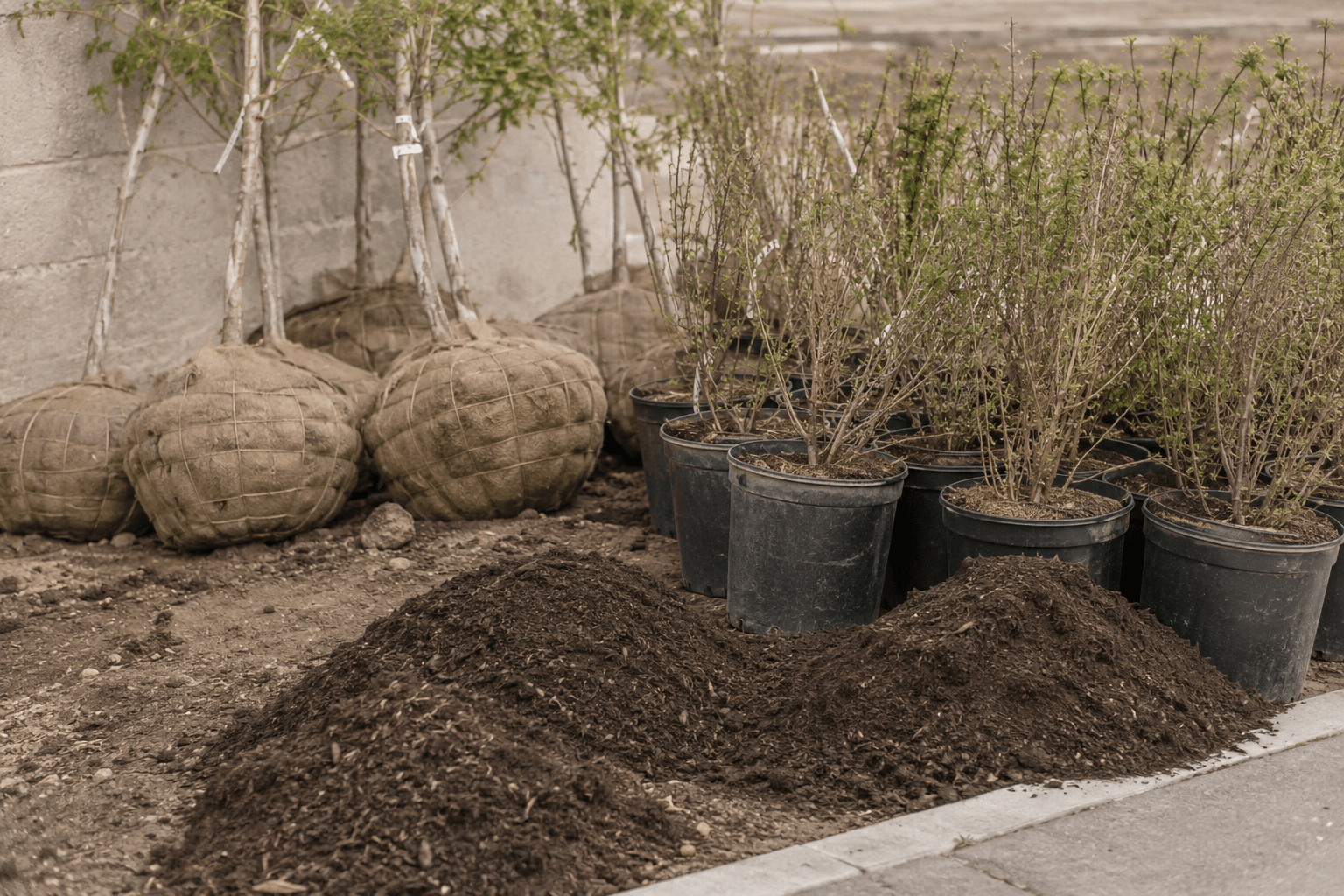
- Illinois-hardened stock: Locally grown + overwintered. Costs 15% more, survives 40% better.
- Correct caliper + root mass: 2” caliper with dense roots beats 3” with circling roots every time.
- Site-appropriate species: Use Chicago DOT / Chicago Park District approved lists for parkways.
- Soil prep in the bid: $8/cy for compost amendment now vs $60/plant replacement later.
Example: Spend $2,000 more upfront on better stock + soil. Avoid $10,000 in callbacks.
That’s a 5:1 return on margin.
How We Help Illinois Contractors Hit 95%+ Survival
We work like economists with dirt under our nails:
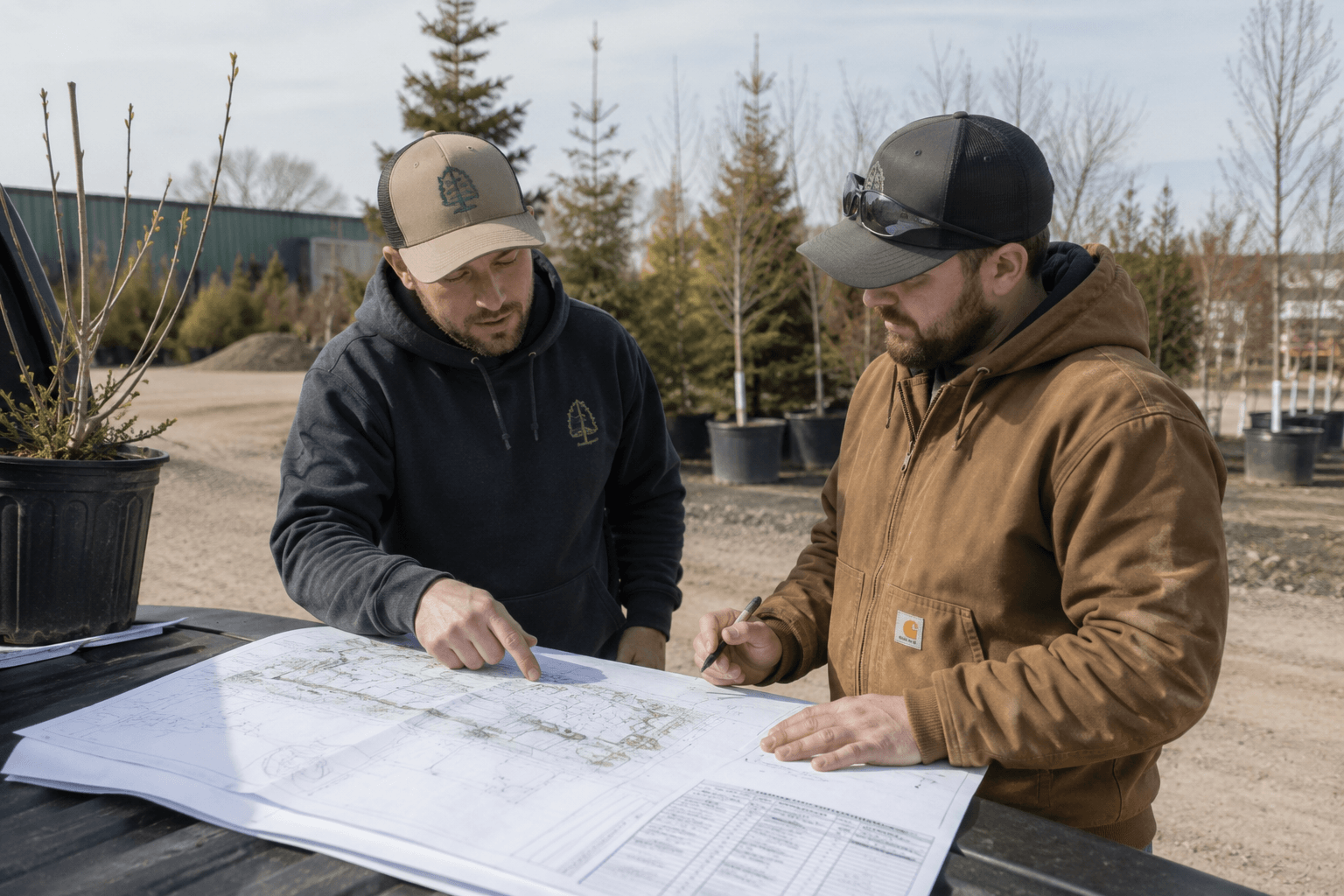
Send us your plant schedule and site plan early. We flag the high-risk species, price the hardened stock at trade rates, and hand you establishment specs that keep warranty claims off your books.
Pre-bid review
Send your plant schedule. We’ll flag high-risk species for your site conditions.
Prevailing wage pricing
Trade pricing on Illinois-approved, hardened stock so you don’t eat the upgrade.
Establishment specs
Care guidelines that keep warranty claims off your books.
Bidding an Illinois project this season?
Email us your plant schedule + site plan, and we’ll price it to survive.







Leave a Reply