
How Rising Labor Costs Are Changing Plant Specs for Commercial Projects
How Rising Labor Costs Are Changing Plant Specs for Commercial Projects
If you’re pricing landscaping jobs in 2026, you’ve felt it: labor rates are up, skilled crew are harder to find, and clients are pushing back on ongoing maintenance costs.
For commercial developers, councils, and landscape contractors, that’s forcing a rethink on plant specs. The question is no longer just “Does it look good?” It’s “What’s this going to cost us to keep alive for the next 5 years?”
Here’s how rising labor costs are shifting plant selection for commercial projects — and how to spec smarter without killing the design.
The math changed, so the specs have to
Ground maintenance labor hit around $38–$45/hr in early 2026, depending on the state. A medium-sized commercial planting that needs 3 hours/month of weeding, trimming, and watering now costs $1,400–$1,600/year just in labor.
Three years ago, a designer could specify a mixed border with weekly trimming and seasonal replacements. Today, that same spec gets rejected at tender because the client sees the maintenance quote and balks.
The result: buyers are prioritizing plants that reduce labor after installation, not just plants that look good on day one.
Three shifts we’re seeing in commercial plant specs
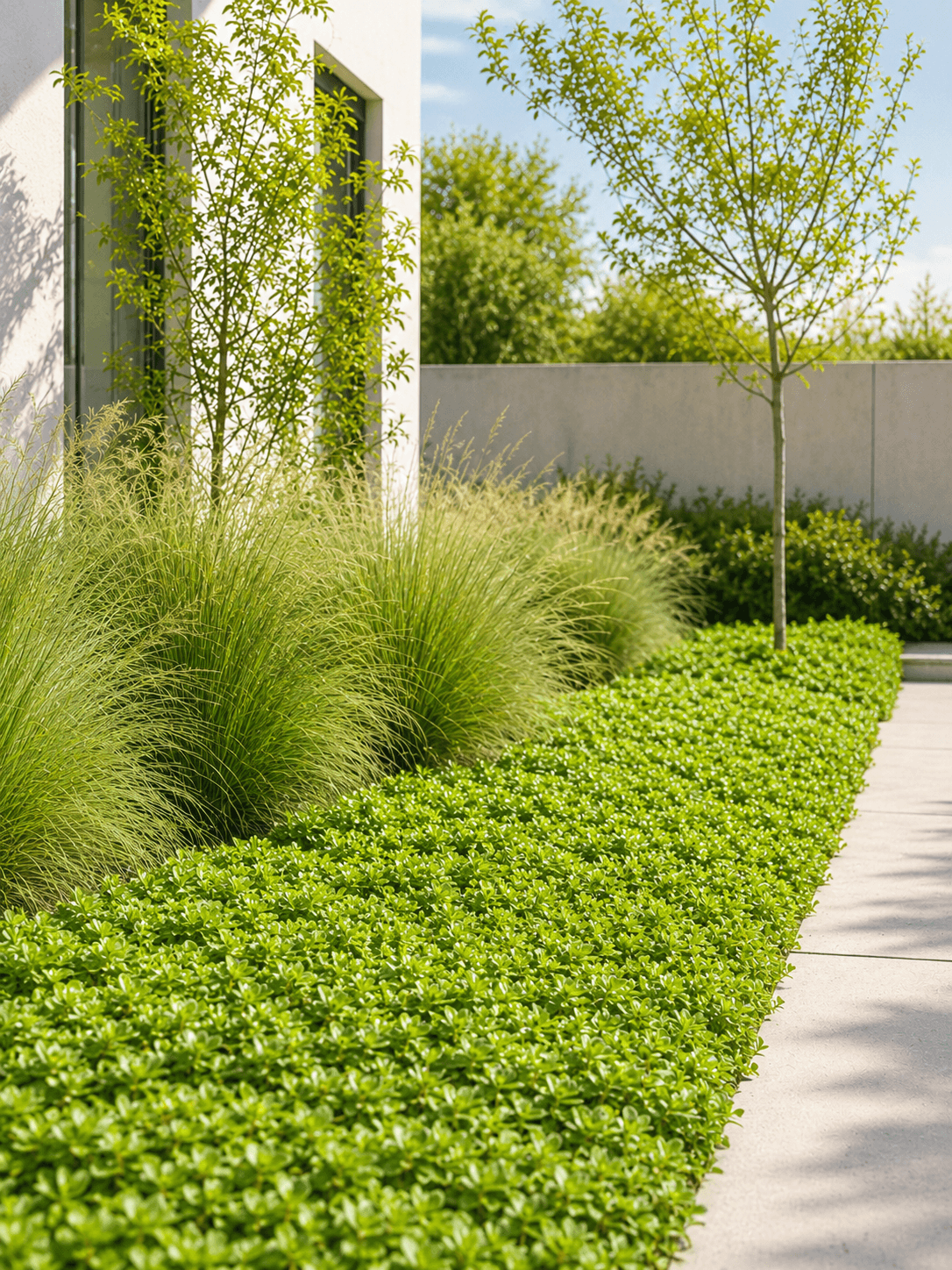
Tidy hedges that need monthly clipping, annuals that need replacing every season, and groundcovers that let weeds through — those are getting cut from specs.
In their place:
- Dense groundcovers that outcompete weeds. Think Less weeding = less crew time.
- Clumping grasses instead of formal hedges. Plants that give structure without needing a hedge trimmer every month.
- Single-species mass planting over complex mixed borders. Easier to maintain, cleaner look, fewer mistakes by junior crew.
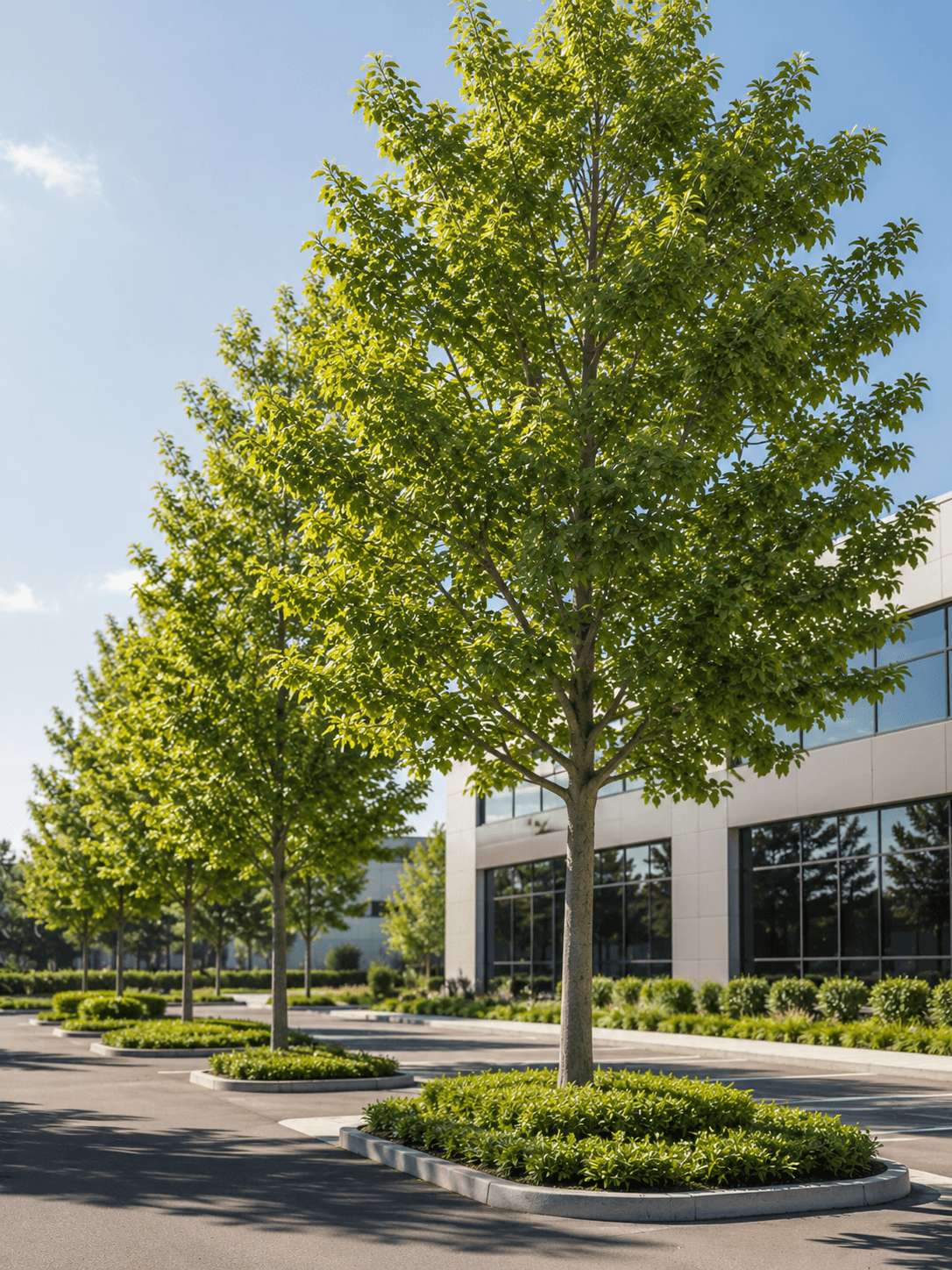
Tubestock is cheap upfront. But on commercial sites, it means 2–3 years of:
- Supplemental watering through summer
- Replacements for losses
- Staking, guarding, and weeding around each plant
Labor cost over 3 years often exceeds the price difference to advanced stock.
Advanced trees arrive at 1.5–2.5m, establish faster, and give instant impact for project handover. Fewer call-backs, less watering labor, and clients sign off sooner. For developers working to a timeline, that’s worth paying for.
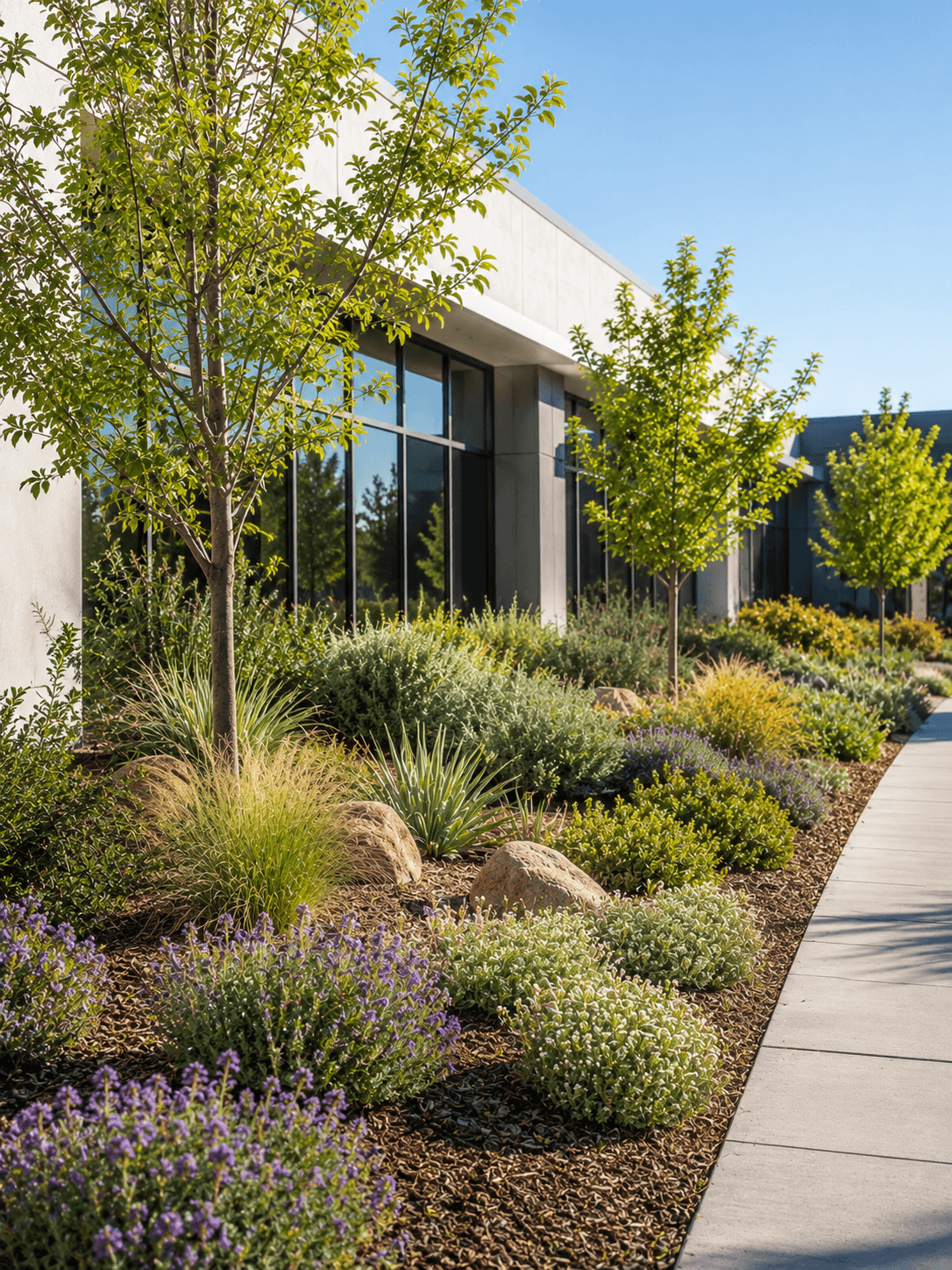
Water restrictions aren’t going away, and irrigation maintenance is labor-intensive. Councils and commercial clients are specifying plants that survive on natural rainfall after the first establishment period.
Native and adapted species are showing up more in specs because they reduce:
- Irrigation labor
- Replacement costs after dry spells
- Ongoing fertilizer and care
The 5-year cost comparison
Here’s what this looks like in dollars for a 500m² commercial planting:
| Spec Type | Install Cost | Annual Maintenance | Replacements Year 1–3 | 5-Year Total |
|---|---|---|---|---|
| High-maintenance mixed border | $12,000 | $1,600 | $1,800 | $22,800 |
| Low-maintenance mass planting + advanced trees | $16,500 | $700 | $600 | $20,800 |
What this means for your next project
If you’re a landscape contractor or developer, start asking these questions at concept stage:
- How much labor will this planting need annually?
- What’s the replacement rate if we go with tubestock?
- Can we achieve the design intent with tougher, lower-maint plants?
- Will this spec pass the client’s 5-year maintenance budget review?
Getting it right at spec stage saves you from eating maintenance costs later, or losing the job to a competitor who did.
How we’re supporting trade buyers in 2026
We’ve adjusted our production to match this shift:
- Increased advanced tree stock in sizes landscapers keep reordering
- Created a “Low-Maintenance Spec Pack” with plant lists, spacing guides, and maintenance notes you can hand straight to your client
We know your margin depends on plants that survive and don’t create callbacks. Our job is to supply stock that helps you hit your budget and your deadline.







Leave a Reply