
Preventing Plants Loss: A Nursery Owner’s Guide to Plant Disease Management at Scale
Preventing Plants Loss
A Nursery Owner’s Guide to Plant Disease Management at Scale
If you’re running a nursery, one outbreak can wipe out weeks of work and thousands in revenue. Unlike hobby growers, you’re managing thousands of plants in tight quarters where disease spreads fast. The goal isn’t just “curing” sick plants — it’s stopping the problem before it hits your bottom line.
Protocols That Work for Commercial Nurseries
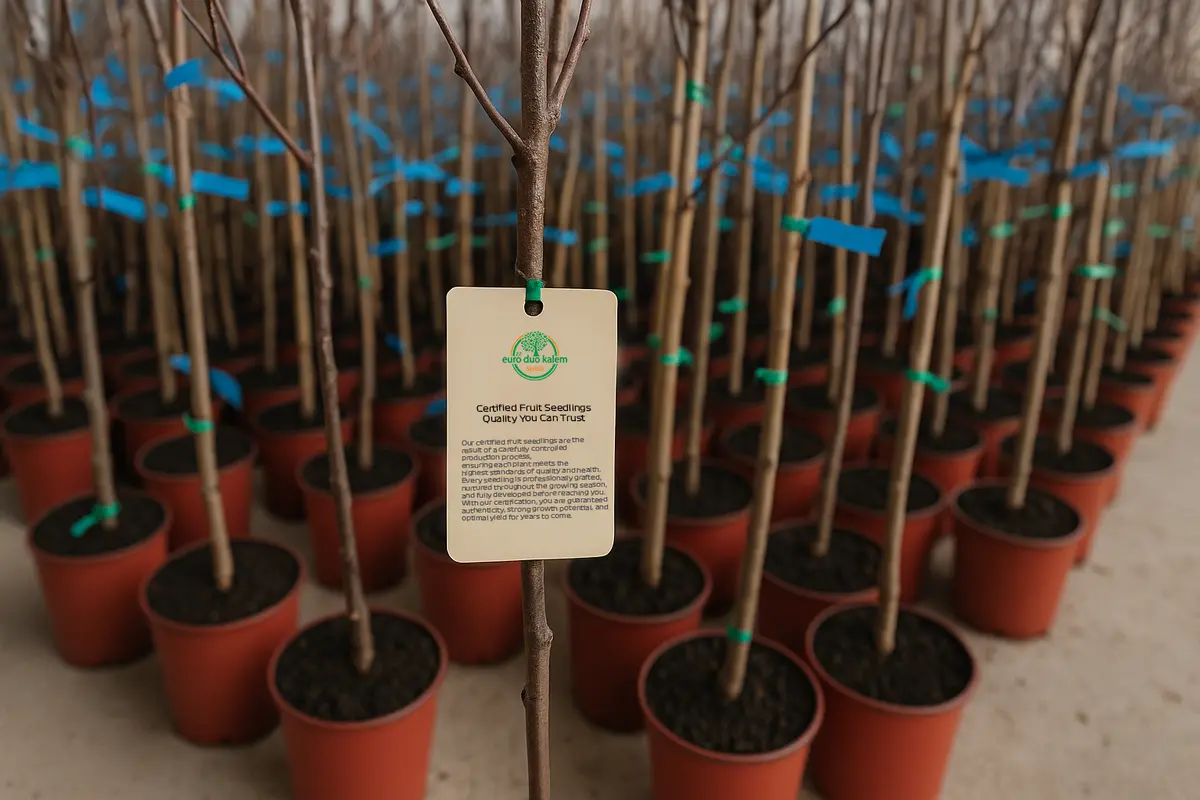
Only buy stock from certified disease-free suppliers. Keep incoming plants in quarantine for 14 days. Test high-value stock with lab PCR kits if you suspect latent infection.
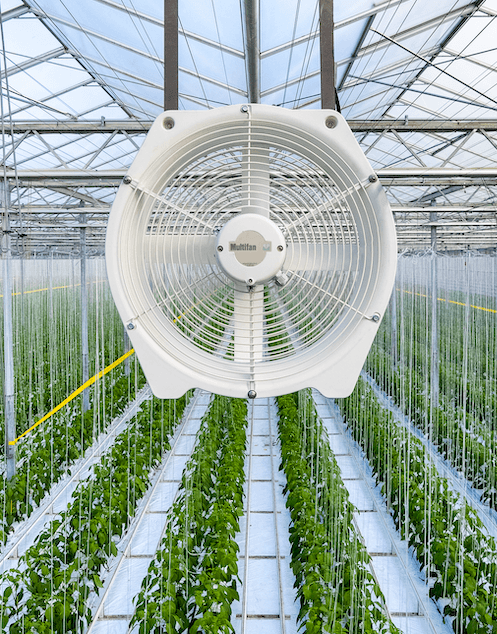
Airflow > chemical spray. Install horizontal airflow fans to keep foliage dry. Irrigate early in the day so leaves dry before night. Wet leaves = disease pressure.
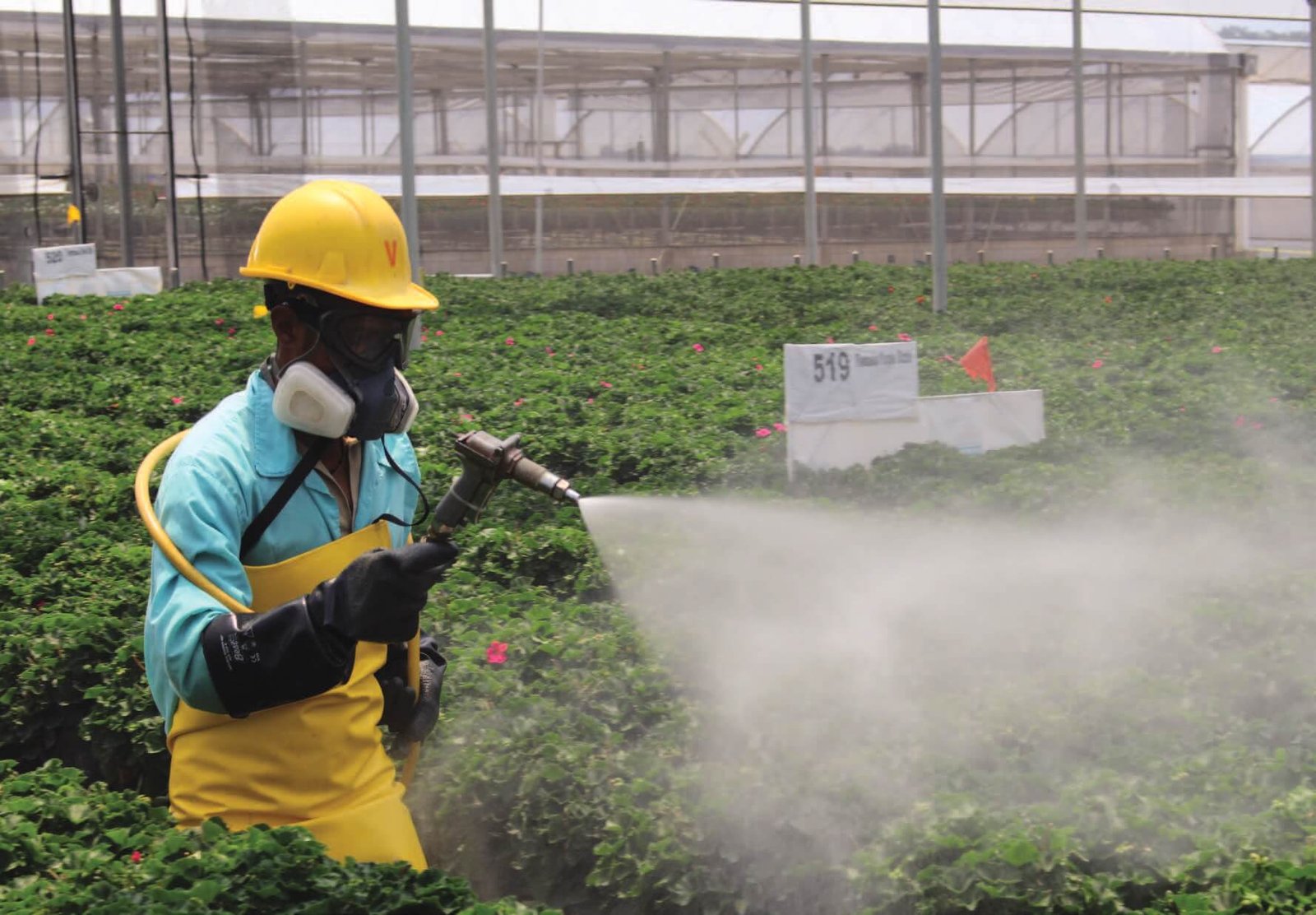
Rotate fungicides/bactericides with different modes of action to prevent resistance. Use systemic products for high-value perennials and contact products for quick turnover annuals. Keep records: what was used, where, when. This is critical for audits and client trust.
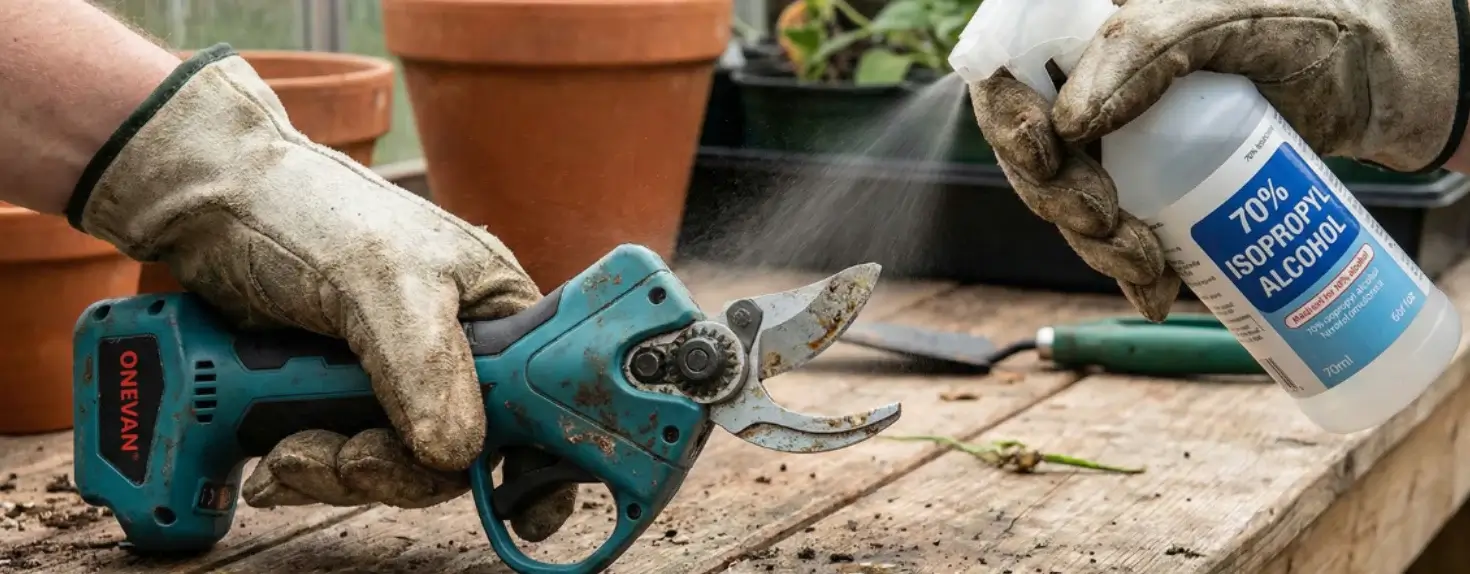
Disinfect tools, benches, and trays between batches. Train staff on “clean in, clean out” protocols. Labor is cheaper than losing 2,000 flats of geraniums.
Disease Categories You’ll See at Scale
| Category | Common Losses / Examples | Environmental Factors & Transmission |
|---|---|---|
| Fungal | Powdery mildew, botrytis, root rot. | Thrives in high humidity and poor airflow. |
| Bacterial | Bacterial leaf spot, fire blight. | Spreads through water splash and tools. |
| Viral | Mosaic virus, tomato spotted wilt. | Usually spread by insects and infected stock. |
The Real Cost of Plant Disease in Nurseries
For business owners, disease isn’t just a plant health issue. It’s:
- Lost inventory: Infected stock often can’t be sold or must be destroyed.
- Delayed fulfillment: Outbreaks push back orders to landscapers, landscapers, and retail partners.
- Reputation risk: One bad batch reaching a client damages contracts.
Curing diseases fast matters, but prevention has 10x ROI compared to reactive treatment.
Each requires a different protocol. Treating a fungal issue with a bactericide wastes money and time.
When to Cull vs. Treat
For business owners, this is a math decision. If treatment costs more than 40% of the plant’s wholesale value and has <80% success rate, cull it.
Keep culling protocols written down so staff don’t hesitate. One infected plant left in a house can infect 500 others.
Document for Your Clients
B2B buyers like landscapers and garden centers care about traceability. Keep a simple log:
- Date of scouting
- Disease identified
- Action taken
- Resolution date
This turns disease management from a cost center into a selling point: “All stock is scouting-certified and treated to commercial standards.”
Bottom line for nursery owners
You can’t eliminate disease, but you can control exposure, catch it early, and act with protocols that protect margin. The nurseries that win are the ones with SOPs, not just good growers.









Leave a Reply